Best Massage Tables: The Complete Massage Table Buyer's Guide
Updated: September 2, 2026
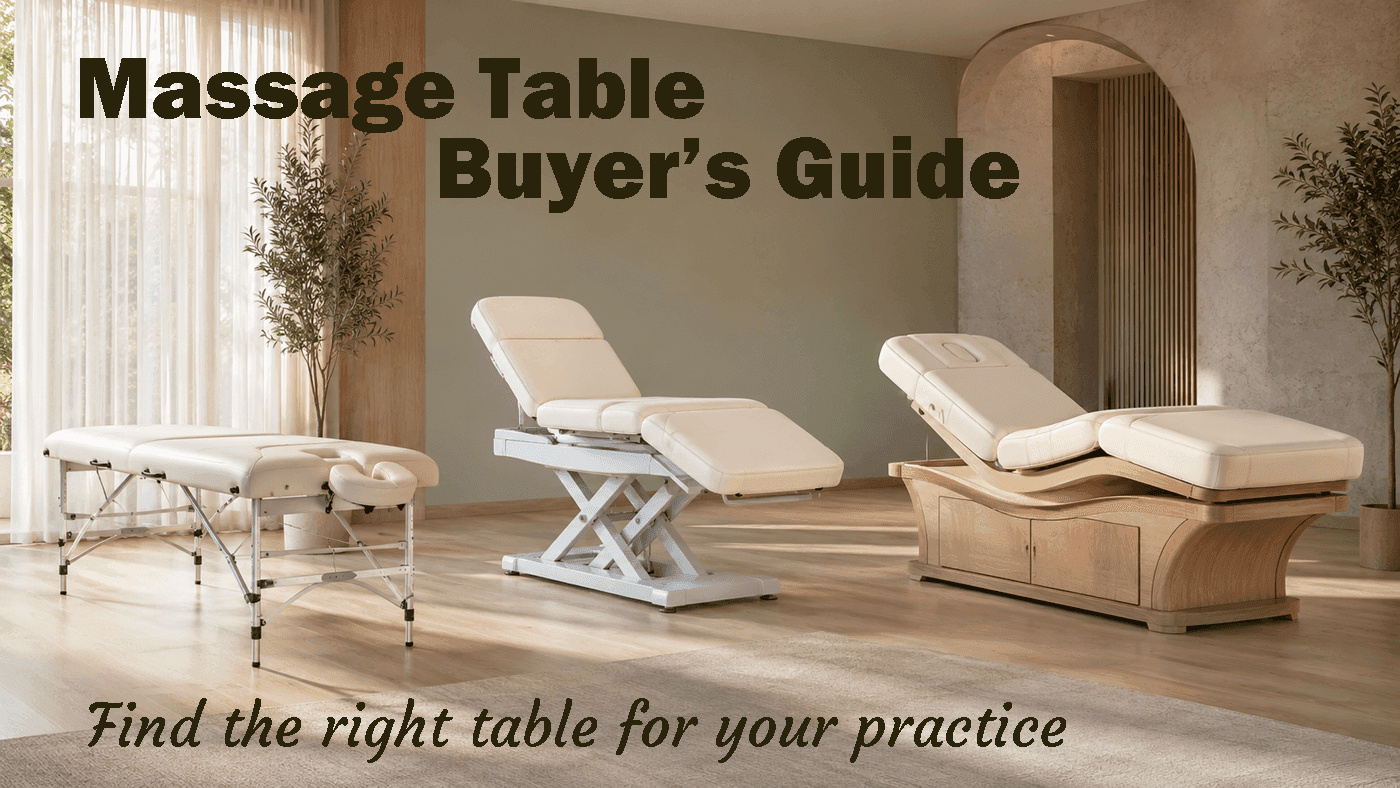
Table of Contents
The best massage tables should feel comfortable for your clients, support the way you work, and fit naturally into your practice. Our Massage Table Buyer’s Guide explains the differences among portable, stationary, electric, hydraulic, and spa treatment tables and helps you compare size, height, padding, features, accessibility, and price. Whether you are furnishing your first treatment room or upgrading a busy spa, you will find practical guidance for choosing a table you can use with confidence for years to come.
How to Use This Guide
A professional massage table is both treatment equipment and a long-term business investment. The right choice supports the client, protects the practitioner, fits the room, and performs reliably through years of appointments. The wrong table can create avoidable problems with lifting, reaching, instability, maintenance, and scheduling.
This guide starts with your practice rather than with a brand or model. Work through the early chapters to identify the right table category and specifications. Then use the later chapters to compare construction, features, costs, manufacturers, and representative professional models. Lastly, check out the buyer's checklist to ensure you find the best massage tables for your practice.
The shortest path: Choose the table type first; define your required size, height range, capacity, and positioning next; compare brands and optional features last.
Quick Decision Guide
| Your situation | Start with | Prioritize |
|---|---|---|
| You travel to clients | Portable massage table | Low carrying weight, fast setup, stable frame, carry case |
| You work in one treatment room | Stationary massage table | Stability, padding, storage, room fit |
| Several practitioners share a room | Electric lift massage table | Wide height range, hands-free controls, quiet adjustment |
| You provide facials or body treatments | Spa treatment table | Adjustable back and leg sections, cleanable upholstery |
| Clients may need easier transfers | Low-height powered table | Minimum height, clear access, stability, controls |
| You provide mobile prenatal massage | Portable table plus positioning system | Safe support, cleaning, training, transport |
1. Begin With Your Practice
Before comparing products, write down how the table must work in a normal week. Having a list prevents attractive but unnecessary features from driving the purchase.
Where will the table be used?
- Mobile practice: count every doorway, staircase, parking distance, setup, and breakdown - not just the table's listed weight.
- Dedicated treatment room: measure the room, doors, hallways, and working clearance around the table.
- Shared practice: select a height range that works for the shortest and tallest practitioners who will use it.
- Spa or resort: account for high appointment volume, frequent repositioning, cleaning cycles, and the room's visual standards.
- Multidisciplinary setting: identify all treatment positions and accessories that the table must support.
Which services will you provide?
Traditional massage is often performed on a flat top surface; however, facials, waxing, body treatments, reflexology, some rehabilitation services, and esthetic procedures may benefit from a lift-back, salon, or multi-section top. Buying more articulation than you need adds cost and maintenance; buying too little can limit future services.
Who must the table accommodate?
- Your typical and largest clients, including the required width and working capacity.
- Clients with limited mobility or transfer needs.
- Pregnant clients and clients who need breast, abdominal, or scapular pressure relief.
- The practitioner's height, reach, modality, and physical limitations.
Buying principle: Choose for the demanding, recurring use case - not the rarest possible scenario. Handle occasional needs more economically with cushions, bolsters, extensions, or a second specialized table.
2. Understand the Main Table Types
Finding the best massage tables begins with understanding how each type fits different work environments. Portability, powered adjustment, positioning options, storage, and overall comfort vary widely, so start by matching the table style to your services, treatment space, and daily workflow.
Portable massage tables
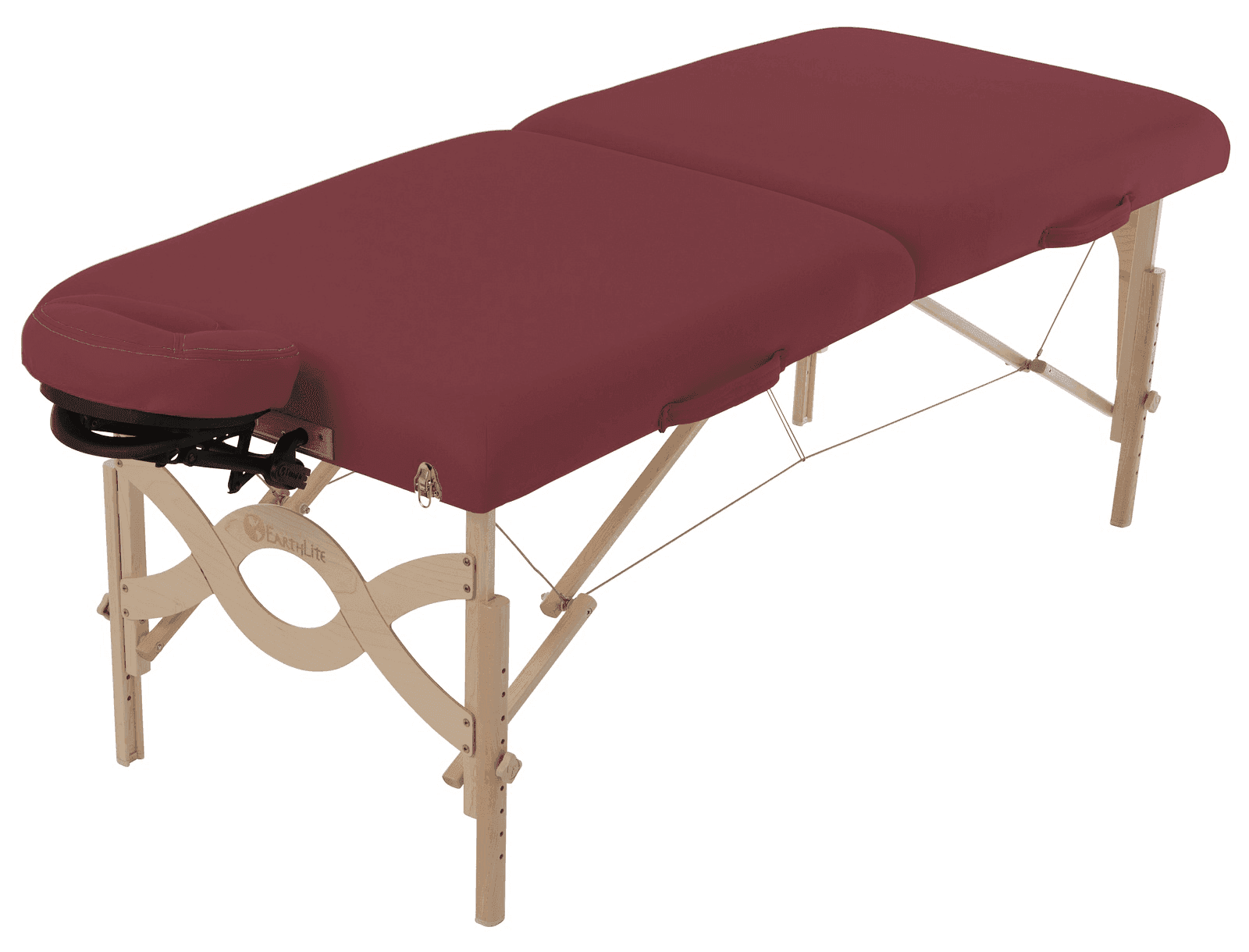
They are flexible, easy to store, and generally more affordable. However, you may need to adjust the height by hand, accept less cushioning, or sacrifice some stability during more vigorous techniques. Weight matters too, but so does comfort—a table that is easy to carry still needs to feel good for you and your clients.
Portable tables can weigh from just under 30 lbs to 50 lbs. Be sure to calculate the weight of your accessories for a total carrying weight.
Stationary massage tables
Electric lift massage tables
Spa beds and treatment tables
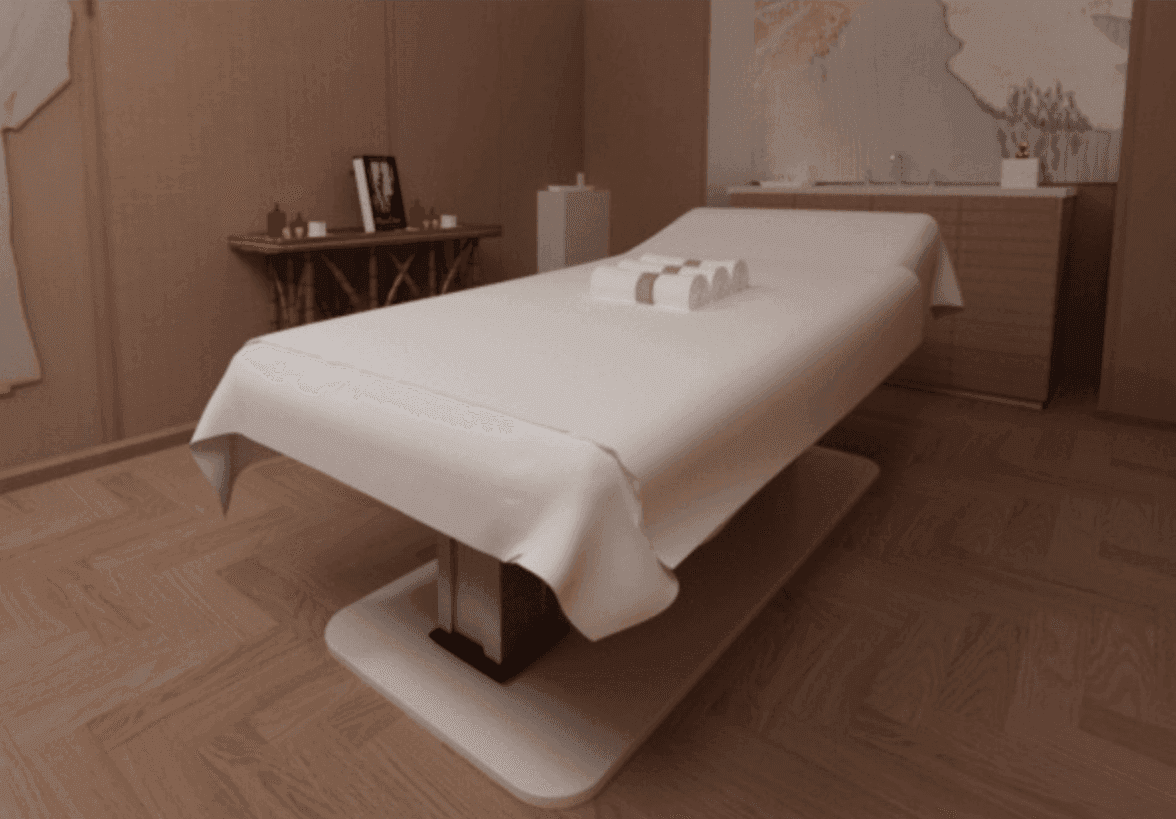
Table Type Comparison
| Type | Best for | Main advantage | Main tradeoff |
|---|---|---|---|
| Portable | Mobile and flexible practices | Folds for transport and storage | Carrying and manual setup |
| Stationary | Fixed-location massage | Stable, simple, and comfortable | Limited mobility and height flexibility |
| Electric lift | Busy or shared practices | Fast powered height adjustment | Higher cost and electrical dependence |
| Spa treatment | Massage plus esthetic/body services | Multiple positions and comfort options | Cost, footprint, and complexity |
3. Choose the Correct Size
Width: comfort versus reach
A wider table can help clients feel supported, but it also increases the distance the practitioner must reach. Repeated reaching across a table can reduce leverage and contribute to fatigue. Smaller practitioners and therapists who use athletic, deep-tissue, or movement-intensive techniques may prefer a narrower surface, such as 28". Those with many larger or taller clients may prefer a wider table, such as 32" or 35". In general, though, the most purchased table width is 30".
Do not choose width based solely on client comfort. Test whether you can reach the client's centerline while keeping your shoulders relaxed and your spine in a strong working position.
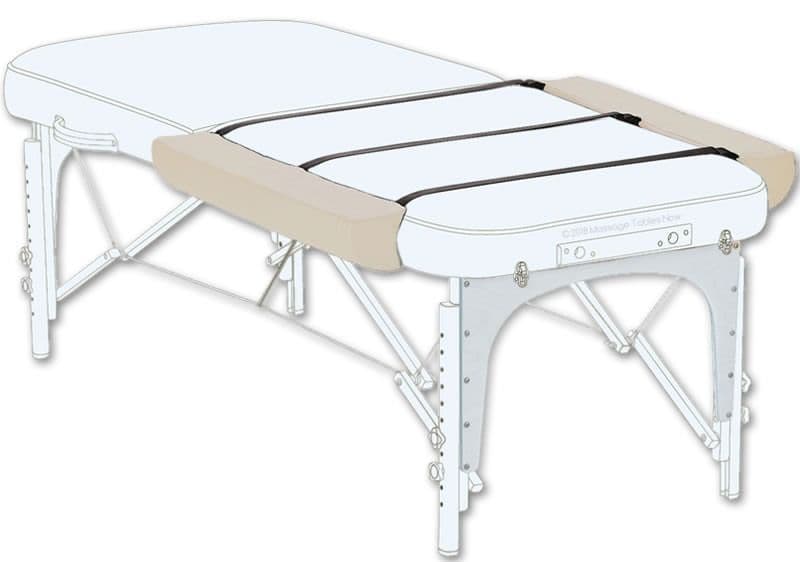
Removable
or arm supports can add comfort where needed without making the full table permanently wider.Length: include accessories
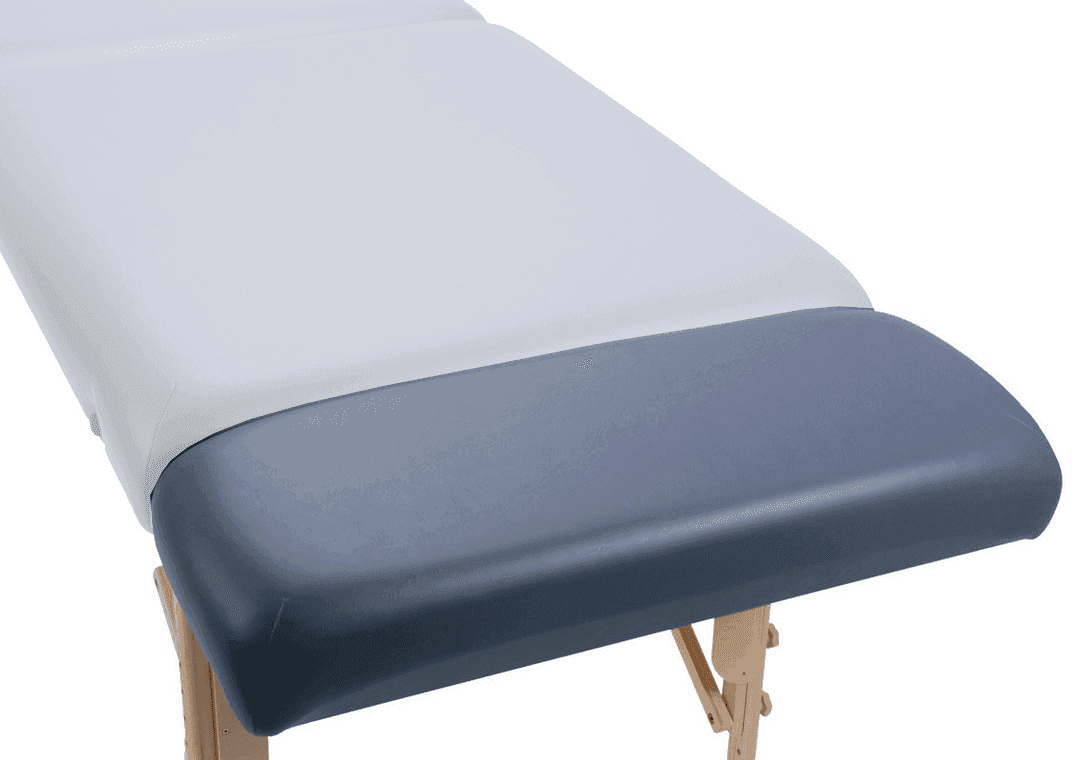
Many professional tables are about 73 inches long before accessories. A face cradle can add usable length at the head, and a
can help accommodate taller clients. When measuring the room, include these accessories as well as space for the practitioner to move behind them.Height: protect the practitioner
The correct working height varies with practitioner stature, client size, padding thickness, and technique. A useful starting point for many manual tables is around the practitioner's wrist level when standing with arms relaxed, followed by adjustment for the modality. Techniques that require downward pressure may call for a lower surface; detailed or lighter work may be more comfortable at a higher position.
For electric lift massage tables, compare the usable range rather than only the lowest advertised number. It must be noted that thick padding increases table height, so if low access is required, stick with the manufacturer's standard padding.
Room planning
- Measure the table with the face cradle, arm shelf, and foot extension installed.
- Leave a clear working path around the sides and ends used during treatment.
- Check door, elevator, hallway, and stair dimensions before delivery.
- Plan power cord routing so clients and staff do not cross it.
- Allow room for stools, carts, cabinets, bolsters, and client transfers.
4. Understand Weight and Capacity
Product specifications may show different numbers related to weight. Examine carefully the specifications below, as these numbers are not interchangeable.
| Specification | What it means | Why it matters |
|---|---|---|
| Table weight | The table itself, often excluding accessories | Determines how realistic repeated transport will be |
| Static capacity | A distributed load on a table at rest | May look impressive, but does not represent massage movement |
| Working weight | The manufacturer's rated capacity during intended use | Usually, the most useful client-and-treatment comparison |
| Dynamic test/load | Resistance to moving or impact forces under a defined test | Helps evaluate performance during active techniques |
| Lift capacity | The amount a powered or hydraulic mechanism can raise | Can differ from the structural capacity of the top |
When comparing tables, focus on the working weight and lift capacity rather than the largest number shown. If a rating is unclear, ask the manufacturer or retailer what it includes and whether accessories or table positions affect it. Remember that a lightweight table can still deliver exceptional strength and stability when it is thoughtfully designed and expertly constructed.
What counts as lightweight?
Many massage therapists consider a portable table weighing less than 30 pounds to be lightweight. Once the table weighs more than 30 pounds, carrying it between appointments can become noticeably more difficult. Remember that you will also be transporting the face cradle, sheets, bolsters, oils, carrying case, and other supplies, so consider the weight of your complete setup—not just the table.
Test the full routine: Carry the packed table, load it into your vehicle, unload it, and set it up. If you find transportation difficult, a well-designed may make transportation easier.
5. Evaluate Stability and Construction
A stable table helps clients feel safe and allows you to apply pressure with confidence. If the table flexes, shifts, or wobbles, some of that pressure is lost. Check the table’s stability at the different heights and positions you expect to use.
- Frame and base: hardwood, aluminum, and steel can all perform well when appropriately designed.
- Cables and braces: inspect attachment points, tension, corrosion resistance, and availability of replacements.
- Hinges and fasteners: look for smooth operation, secure locking, and no sharp or loose components.
- Leg adjustment: confirm that knobs or buttons seat fully and remain easy to operate.
- Lift movement: raise and lower the table through its full range and listen for unusual noise or hesitation.
- Top movement: test side-to-side and end-to-end play at minimum and maximum height.
- Floor contact: levelers or locking casters should keep the table planted on the intended flooring.
Squeaks do not necessarily indicate structural failure, but they can disrupt relaxation and may signal loose hardware or wear. Follow the manufacturer's inspection and tightening schedule rather than improvising repairs that could affect the warranty.
6. Select Padding and Upholstery
Padding thickness and density
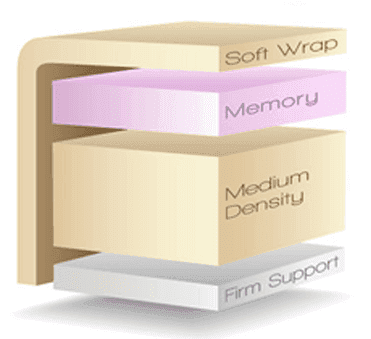
Thickness describes how much foam is present; density and layering help determine how that foam supports the body and how long it retains its shape. A very soft top can feel luxurious at first, yet bottom out or make forceful bodywork inefficient. A firmer system can offer better support but may need bolsters or a softer face cushion for long relaxation treatments.
| Service style | Padding emphasis | Questions to ask |
|---|---|---|
| Mobile massage | Comfortable multilayer cushioning without excessive carrying weight. 2" – 3". | Does the padding provide lasting comfort without making the table difficult to carry? |
| Deep-tissue or sports | Firmer support that transfers pressure efficiently. 1.5" – 2.5" | Is the surface supportive without feeling uncomfortably hard? |
| Spa and relaxation | Plush, layered cushioning for longer treatments. 4" – 6" | Will the foam retain its shape and luxurious feel with frequent use? |
| Physical therapy or clinical | Firm, resilient support for transfers, positioning, and movement. 2" – 3" | Is the surface appropriate for transfers and movement, while remaining comfortable? |
Upholstery
Professional upholstery should feel comfortable, resist normal oils and stains, tolerate the approved cleaning process, and remain flexible without premature peeling or cracking. Material names such as PU or vinyl are only a starting point; backing, finish, seam construction, and the manufacturer's chemical-resistance guidance are equally important.
- Request current cleaning and disinfecting instructions before buying.
- Check whether damage from oils, heat, cleaners, or disinfectants is excluded from warranty coverage.
- Inspect seams, corners, face openings, and articulation points where wear tends to concentrate.
- Ask whether the upholstered top, individual panels, or cushions can be replaced.
7. Prioritize Practitioner Ergonomics
The best massage tables should keep both the practitioner and the client comfortable. For the practitioner, a table that is too high can cause raised shoulders and reduced leverage, while one that is too low can lead to excessive bending and wrist strain. A table that is too wide, has hard-to-reach controls, or limits foot space around the base can also make treatments more physically demanding.
Manual adjustment
Manual legs work well when a single practitioner maintains a consistent height. They are less convenient when the height needs to change between clients, services, or practitioners. Never adjust a manual portable table with a client aboard unless the manufacturer expressly permits it.
Powered adjustment
An electric lift massage table can reduce repeated bending and manual handling by allowing the client to get on at a lower height and then be raised to the practitioner's working level. Hands-free foot controls are useful during treatment, but their location should not create a trip hazard or force the practitioner to search under the base.
- Confirm that controls are reachable from the positions you use most.
- Check whether one control adjusts height only or also articulates the top.
- Consider multiple or programmable controls in shared, high-volume rooms.
- Make sure the base leaves room for the practitioner's knees, feet, stool, and body mechanics.
8. Plan for Accessibility and Inclusive Care
Accessible care begins before the client reaches the table. Parking, doors, circulation, restroom access, communication, policies, staff assistance, and the treatment-room layout all matter. A low-height table can support accessibility, but it does not by itself make a practice compliant with the Americans with Disabilities Act or other applicable requirements.
Table-related considerations
- Low minimum height that supports the transfers commonly made in your practice.
- Clear approach space without a base, cabinet, pedal, or cord blocking access.
- Stable surface and brakes or levelers that remain secure during transfers.
- Adequate width, working capacity, and lift capacity for the intended client population.
- Controls that staff can operate while safely assisting the client.
- Positioning options that reduce unnecessary transfers or repositioning.
Compliance note: Confirm current legal obligations with authoritative government guidance and qualified local professionals. Marketing language such as 'ADA compliant' should not replace an assessment of the table, room, policies, and actual client access.
9. Address Specialty Needs
The best massage tables do more than support everyday treatments—they accommodate the unique needs of your clients and the specialized services you provide. Consider how positioning, accessibility, adjustability, and table capacity can help you deliver safe, comfortable, and personalized care.
Prenatal massage
Prenatal massage requires appropriate training, screening, positioning, and equipment. Table cutouts are one option, but not necessarily the best choice for every stage of pregnancy or every client.
and can be more adaptable and easier to add to an existing table.If considering an integrated prenatal system, evaluate the adjustability and support of the abdominal sling, breast recesses, fitted plugs, upholstery, cleaning access, and the flatness of the surface when the inserts are installed. The equipment should support - not replace - practitioner training and individualized positioning.
Breast and scapular comfort
Breast recesses, adjustable body-comfort systems, and removable prone cushions can reduce pressure for some clients and improve access around the scapula. They may also help selected clients after surgery, but only when consistent with the client's medical guidance and the practitioner's scope of practice.
Larger clients
Compare width, working capacity, lift capacity, stability, minimum height, and transfer space together. A wider table can improve support but may reduce practitioners' reach. Side extensions can be useful when occasional additional support for the torso is needed.
Multipurpose services
For massage plus facials, waxing, body treatments, or esthetic services, a lift-back or salon top may provide enough versatility. More complex services may justify independent back and leg adjustment. Confirm that the seams, mechanisms, controls, and accessories can withstand the cleaning and appointment volume for each intended service.
10. Decide Which Features Are Worth Paying For
| Feature | Most useful when | Watch for |
|---|---|---|
| Face cradle and cushion | Prone work is routine | Adjustment range, stability, cushion pressure, accessory-port compatibility |
| Arm shelf or side arms | Clients need upper-body support | Added room width and interference with practitioner access |
| Foot extension | You regularly treat taller clients | Room clearance and secure attachment |
| Heated top | Relaxation and spa services | Heat range, timer, cleaning, upholstery warranty |
| Cabinet or shelf | Supplies must stay in the room | Knee clearance, cleaning access, weight, ventilation |
| Wheels or casters | The table moves within a facility | Locks, floor compatibility, stability during treatment |
| Programmable controls | Several positions are repeated all day | Complexity, replacement cost, accidental activation |
| Breast/prenatal system | Specialized positioning is frequent | Training, support, inserts, sanitation, versatility |
Integrated sound, vibration, lighting, and zero-gravity features can support a premium spa concept, but they should be evaluated as business and client-experience upgrades rather than assumed therapeutic necessities. Require credible evidence for health claims.
11. Budget for Total Cost of Ownership
Purchase price is only the first cost. A less expensive table may be the right choice for a new or low-volume practice, but compare the costs and maintenance over the table's useful life. Consider the following additional expenses:
- Shipping, lift-gate service, room-of-choice delivery, and assembly.
- Face cradle, cushion, arm shelf, bolsters, extensions, carry case, or cart.
- Electrical installation or safe outlet placement.
- Replacement upholstery, tops, controls, motors, pumps, cables, and hardware.
- Downtime and service access if the table fails.
- Cleaning products and protective linens approved for the upholstery.
- Warranty length, exclusions, labor, freight, and claim procedures.
Want to know how fast your table purchase will pay for itself?
.How features affect price
Portable tables generally have the lowest entry cost. Fixed stationary tables add material, padding, and furniture-like construction. Electric and hydraulic mechanisms add cost and service requirements. Spa treatment tables add articulation, controls, cabinetry, upholstery choices, and luxury features. Custom widths, finishes, padding systems, heating, and specialty positioning can substantially increase the final price.
12. Compare Manufacturers and Retailers
A strong manufacturer is not simply the one with the longest feature list. Look for transparent specifications, repeatable construction, realistic capacity ratings, usable warranty terms, replacement parts, and post-sale support.
| Evaluate | Questions to ask |
|---|---|
| Product fit | Does the company build the table type, sizes, and options your practice needs? |
| Specifications | Are working weight, lift capacity, dimensions, height range, and table weight clearly defined? |
| Warranty | Which parts are covered, for how long, and who pays labor or freight? |
| Service | Can motors, controls, pumps, cables, upholstery, or tops be repaired or replaced? |
| Lead time | Is the table stocked or built to order? What happens if production is delayed? |
| Cleaning guidance | Which products and procedures are approved for the exact upholstery? |
| Retailer support | Will someone help compare models, resolve freight damage, and coordinate warranty service? |
13. Best Massage Tables at Massage Tables Now
LUNA Ultralight Portable Massage Table Package
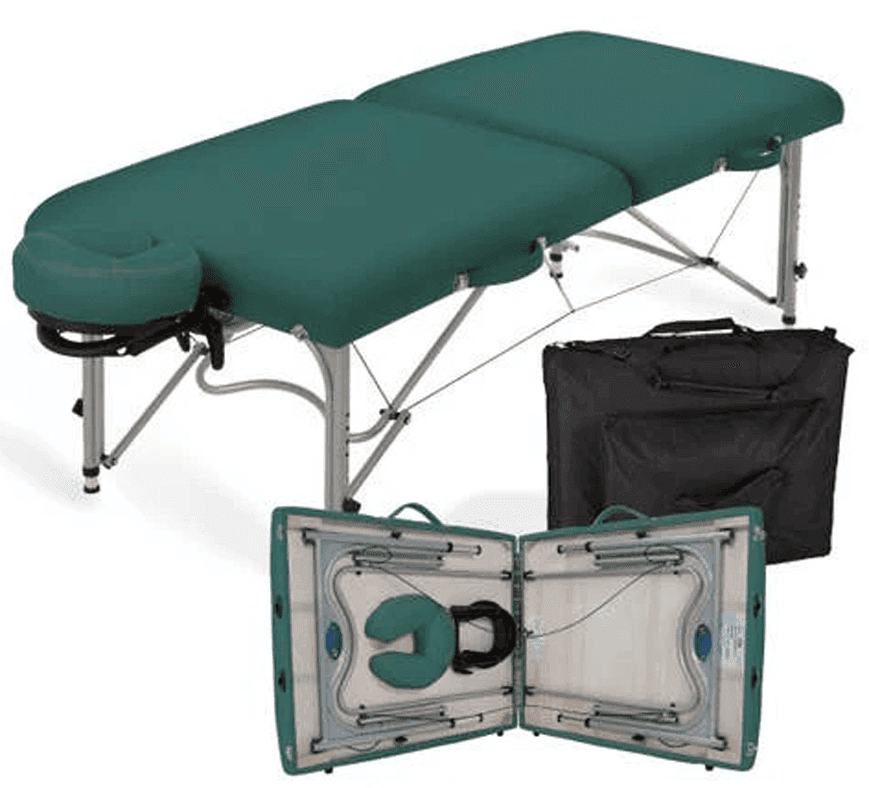
A lightweight favorite for mobile massage, the
combines a 29-pound aluminum frame with impressive strength and stability. Plush cushioning and included travel accessories make it easy to deliver professional comfort wherever the day takes you.Specifications:
- Width: 30"
- Length: 73"
- Height range: 24"–34"
- Table weight: 29 lbs.
- Leg and brace material: Aluminum
- Frame construction: Dowel-joint
- Corners: Square
- Endplate style: Reiki
- Full-length hinge: Standard
- Static weight capacity: 3,000 lbs.
- Working weight capacity: 750 lbs.
- Upholstery: Comfort-Flex™ 100% PU
- Cushioning: Pro-Lite™ 2¼" dual-layer cushioning
- CE Mark
- Limited lifetime warranty
- Accessories included
Sedona Stationary Massage Table
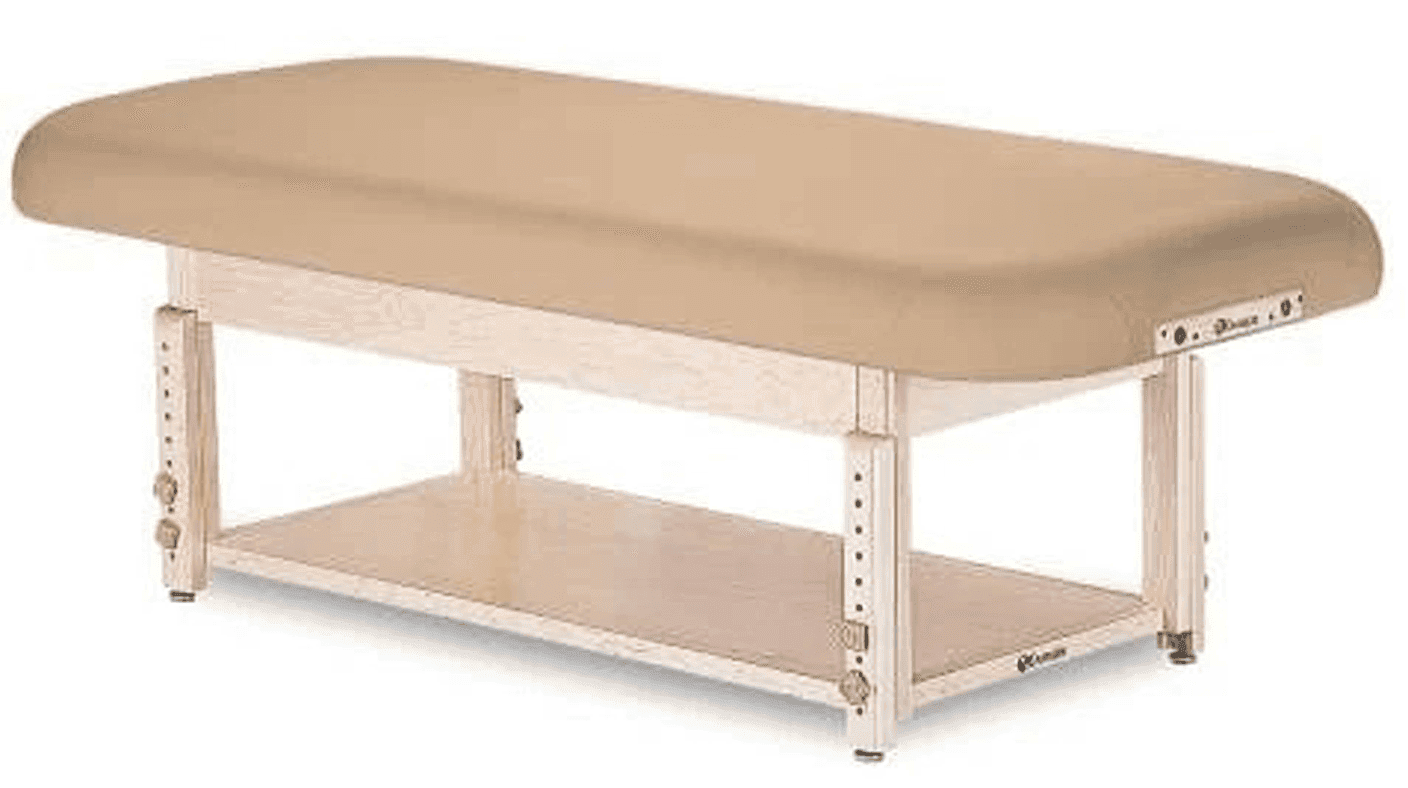
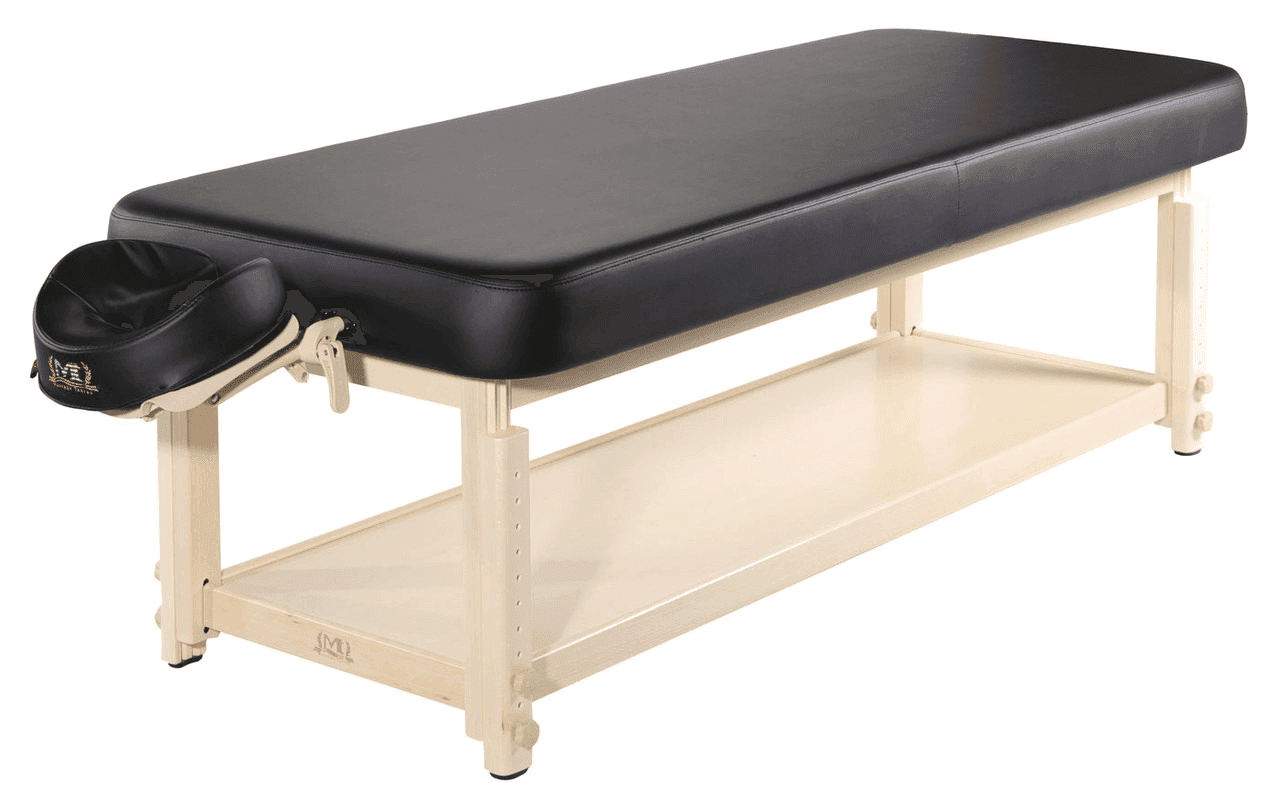
Simple, warm, and exceptionally sturdy, the
features handcrafted maple construction and three inches of plush cushioning. Its adjustable height and optional storage make it a beautiful, practical foundation for a dedicated treatment room.Specifications:
- Width: 28”, 30”, 32”
- Length: 73"
- Height range: 25"–34"
- Table weight: 150 lbs. approx.
- Construction: Solid Maple
- Double Knobs
- Corners: Round
- Static weight capacity: 4,000 lbs.
- Working weight capacity: 1000 lbs.
- Upholstery: Comfort-Flex™ 100% PU
- Cushioning: Pro-Plush™ Deluxe 3-Layer 3” Cushioning System
- CE Mark
- Limited lifetime warranty
Kona Electric Lift Massage Table, UL Listed & ADA Compliant
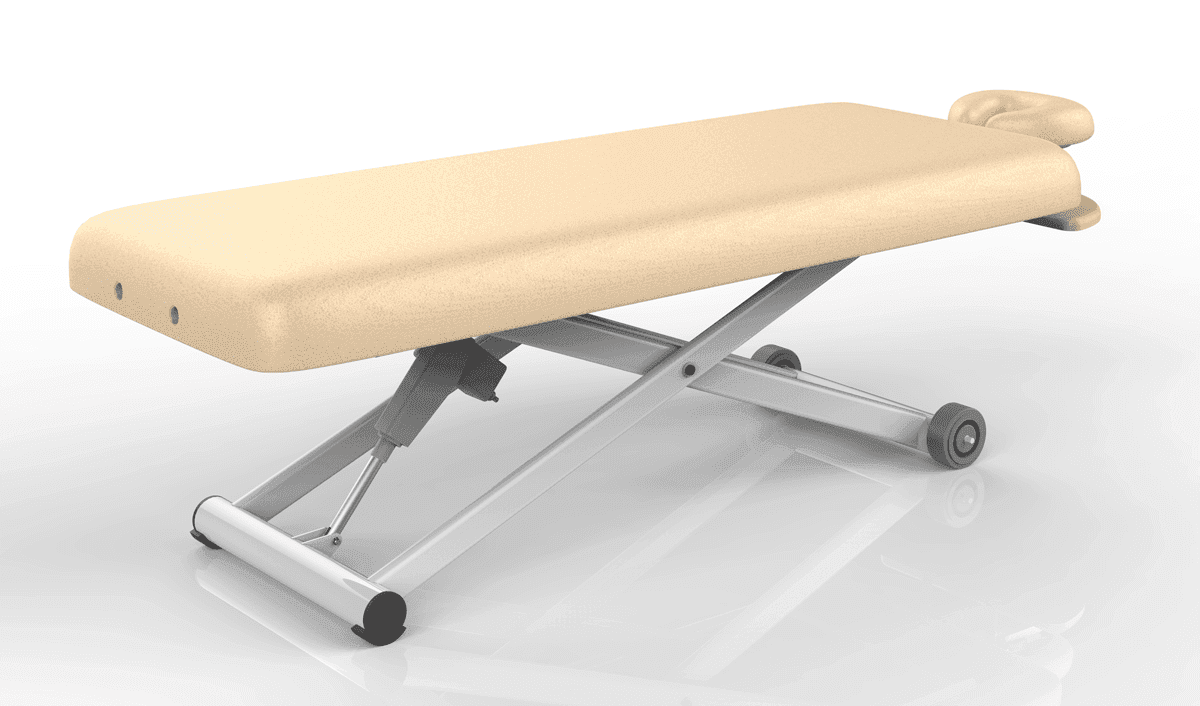
The
offers luxurious versatility at an approachable price. It is available in three top styles– flat, tilt back, and salon (which adjusts the backrest and leg section) with four inches of cushioning and an ADA-compliant low height, creating a comfortable, welcoming treatment experience.Specifications:
- Style: Flat, tilt back, salon
- Width: 30”
- Length: 74"
- ADA-compliant height range: 19"–31"
- Table weight: 133 lbs.
- Construction: sturdy metal frame and double scissor-lift design
- Corners: Round
- Power: 120V
- Maximum lift capacity: 385 lbs.
- Upholstery: Beige PU
- Cushioning: 4” Cushioning System
- UL Listed
- Warranty: Two-year
- Accessories included
Britta Spa Treatment Table
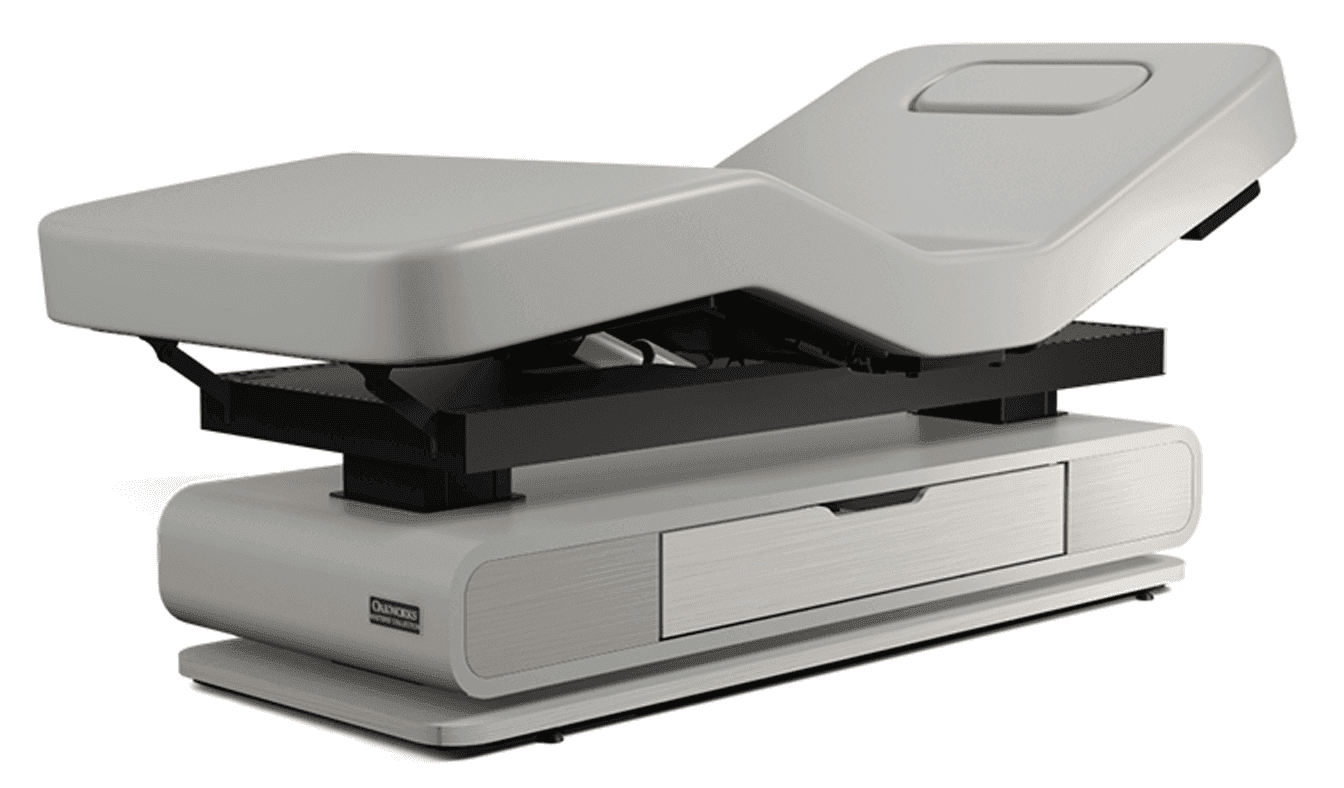
Specifications:
- Style: salon
- Width: 31” or 33"
- Length: 75"
- Height range: 18.9" - 34.5"
- Table weight: 380 lbs.
- Construction: sturdy metal frame with laminate cabinet
- Corners: Round
- Power: 120V
- Maximum lift capacity: 500 lbs. (client and accessories)
- Upholstery: Premium, PVC free TerraTouch Medical Grade Fabric or Ultraleather
- Cushioning: AeroCel 4” or 6"
- ETL Listed
- Warranty: 3-year parts, 2-year labor
14. Final Buying Checklist
Determine the best massage tables for your practice by completing this checklist before placing the order.
| Check | Confirm |
|---|---|
| Primary services and appointment volume are defined | |
| Room, doors, hallways, outlets, and working clearance are measured | |
| Portable, stationary, electric, or spa treatment table is selected | |
| Width, length, height range, and accessory footprint are confirmed | |
| Working weight and lift capacity meet the intended use | |
| Practitioner reach, control location, and base clearance are acceptable | |
| Padding, upholstery, face cradle, and positioning supports are suitable | |
| Transfer height, approach space, stability, and procedures are assessed | |
| Prenatal, larger-client, esthetic, or multipurpose needs are addressed | |
| Approved cleaners, inspections, parts, and service are understood | |
| Coverage, exclusions, labor, freight, and claim process are reviewed | |
| Lead time, freight, assembly, damage inspection, and room placement are planned | |
| Accessories, shipping, service, and replacement costs are included |
Final Recommendation
The best massage tables are not necessarily the lightest, widest, softest, most adjustable, or most expensive. It is the table that safely supports your clients, promotes comfortable body mechanics, fits your treatment room or travel routine, stands up to regular cleaning, and can be maintained over time.
Begin with your practice. Identify your nonnegotiable requirements, compare complete table systems rather than isolated features, and choose the model and options that support the way you work without adding unnecessary complexity.
Massage Tables Now brings together professional tables from trusted manufacturers for practices of all sizes and specialties. Explore our selection online, or contact our knowledgeable team for help comparing models and finding a table that fits your services, space, and budget. Call today (888) 515-0444 or email hello@massagetablesnow.com.
Want to download this guide?
.FAQ's
- What size massage table is best?The best massage table size balances client support, practitioner reach, and room clearance. Many professional tables are approximately 28 to 32 inches wide and around 73 inches long before accessories, but practitioner stature, modality, and clientele should drive the choice.
- How much should a portable massage table weigh?Many therapists consider a table in the upper 20-pound range to be lightweight. The right limit depends on how far and how often it will be carried. Include the case, face cradle, linens, bolsters, and supplies in the real transport weight.
- Is wood or aluminum better for a portable table?Neither material is automatically better. Aluminum can reduce weight, while wood can provide a familiar feel and excellent performance. Compare the complete frame, braces, cables, hinges, capacity rating, weight, and warranty.
- What is the difference between static and working weight?Static weight describes a distributed load on a table at rest. Working weight is intended to represent the load during normal use. Definitions and tests vary, so confirm the manufacturer's meaning before comparing numbers.
- Is an electric massage table worth it?It can be a strong investment for high-volume, shared, accessibility-focused, or ergonomically demanding practices. Its value depends on how often height changes are needed and whether service and power requirements fit the room.
- What is the difference between a massage table and a spa bed?A basic massage table may have a flat top, while a spa bed or treatment table often includes an adjustable back, leg sections, heating, cabinetry, or multiple powered positions for esthetic and body services.
- How thick should massage-table padding be?There is no single ideal thickness. Consider foam density, layers, support, treatment style, session length, durability, and table weight. Thicker is not always more supportive or more appropriate.
- Does a low-height table make a practice ADA-compliant?No. A low-height table may improve access, but compliance involves the facility, routes, policies, communication, services, and individual circumstances. Verify current requirements using authoritative guidance.
- How should the upholstery be cleaned?Use the table or upholstery manufacturer's current instructions. Remove visible soil, use compatible products, follow disinfectant contact time, and avoid chemicals that can damage the surface or void the warranty.