Athletic Training Tables & Equipment Buyer’s Guide
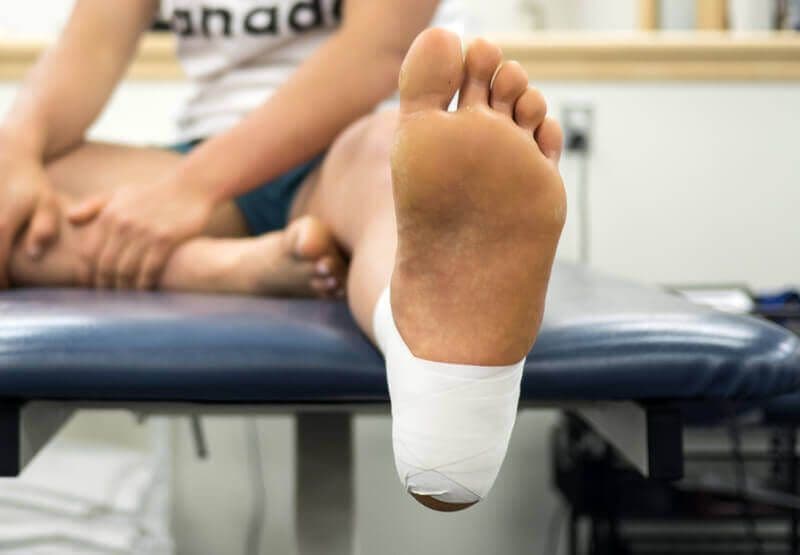
Choosing athletic training tables starts with the work they need to support: taping, hands-on treatment, sports massage, assisted stretching, or rehabilitation. The right surface for a busy school training room may differ from that used in a physical therapy clinic or for an event. Table dimensions, working height, positioning options, and portability all affect how well the equipment fits your day-to-day activities.
Our athletic training tables buyer’s guide explains how to compare treatment, taping, and mat tables, with six options from Massage Tables Now. You will also find guidance on physical therapy tables, stretching tables, and supporting equipment to help you build a setup tailored to your services, clients, and available space.
In this guide
1. Start With Your Treatment Setting
Before comparing athletic training tables, write down your most common services, whether the table will travel, and how often you need to change its height or position. These answers will help you identify which features deserve your budget.
| Setting | Priorities to consider | Useful starting point |
|---|---|---|
| Sports massage practice | Practitioner reach, cushioning, stability, and full-body positioning | A full-length treatment table; consider electric height adjustment for frequent changes |
| School or team athletic training room | Taping and treatment workflow, shared use, storage, and equipment movement | Separate treatment and taping surfaces where workload and space justify them |
| Sports rehabilitation clinic | Working surface, patient access, positioning, and movement space | A sectional treatment table, mat table, or combination |
| Assisted stretching practice | Stability, access around the table, and compatible positioning supports | A table designed to accommodate the intended stretch system |
| Mobile or event services | Carrying weight, folded size, setup, and suitability for the location | A portable model matched to the actual treatment task |
Sports massage can be one part of an athlete’s care routine, but equipment should be chosen for the service it supports. A systematic review of 29 studies found modest benefits for flexibility and delayed-onset muscle soreness, without evidence of direct improvements in strength, sprinting, jumping, or endurance. That makes practical treatment access and positioning more useful buying criteria than promises that a table will improve athletic performance.
2. Compare Athletic Training Table Types
Athletic training tables include several designs, from compact taping stations to full-length treatment surfaces. Their uses can overlap with sports massage and physical therapy tables. Compare the construction, dimensions, adjustments, and manufacturer’s intended applications to identify the right fit for each task.
| Table type | Suitable applications to evaluate | Main advantage | Main tradeoff |
|---|---|---|---|
| Portable full-length treatment table | Mobile sports massage and hands-on treatment | Folds for transport or storage | Height changes generally require manual setup |
| Compact sport treatment and taping table | Seated taping and localized treatment | Smaller surface and transport footprint | Limited room for full-body positioning |
| Stationary treatment table | Dedicated massage or stretching space | A permanent workstation with possible storage below | Less convenient to relocate; height adjustment varies |
| Electric sectional table | Practices needing height changes and varied positioning | Adjustment options within a treatment session | Requires power, floor space, and a larger purchase budget |
| Wide mat table | Rehabilitation and movement work requiring more surface area | Additional room to position and move | Greater reach across the top and a larger footprint |
A
illustrates why “portable” needs interpretation. It may be convenient to put away between appointments, but cumbersome to carry through a tournament venue. Likewise, a may travel easily but lack the length needed for a full-body massage.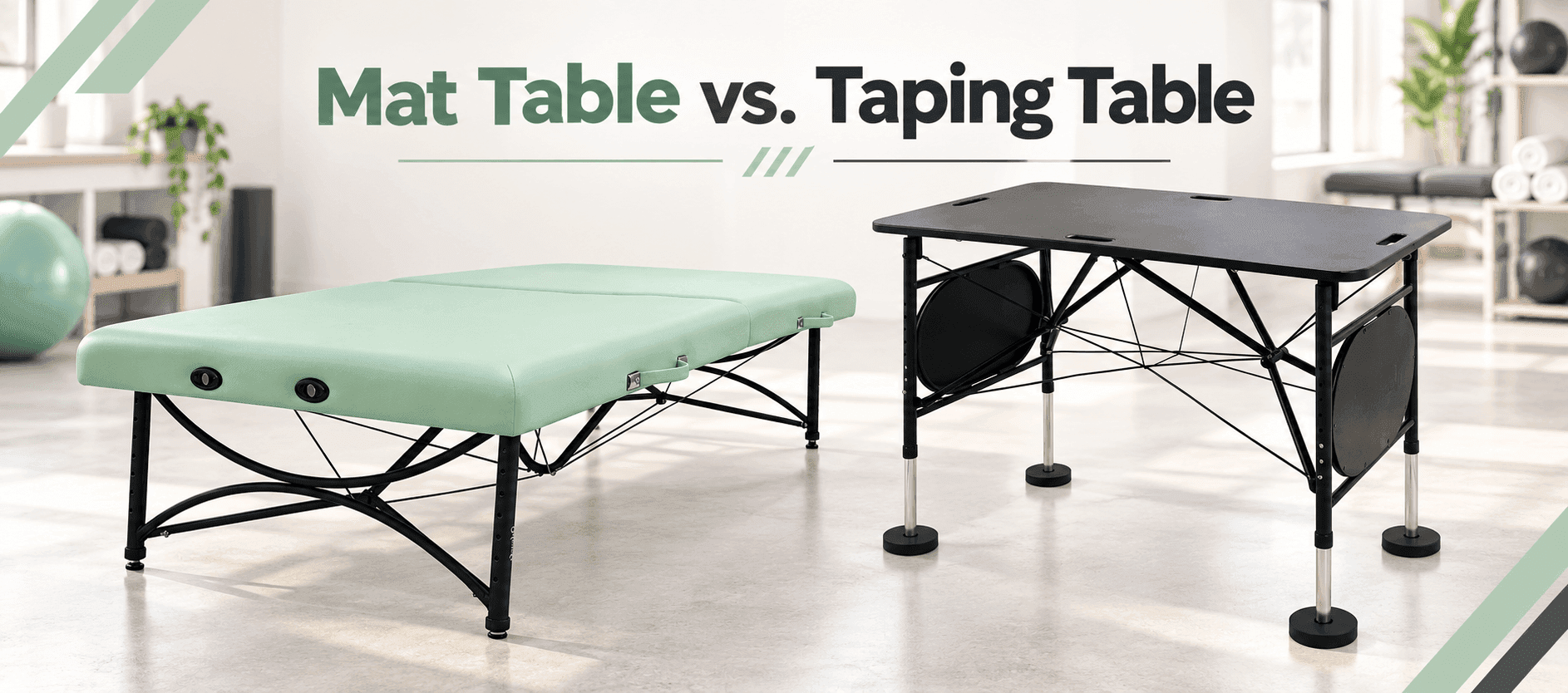
3. Compare the Features That Affect Daily Use
Stability and rated capacity
When evaluating athletic training tables, start with the manufacturer’s permitted uses and load ratings. Check the support structure, leg locks, bracing, and any instructions governing movement or pressure on the surface. A high capacity number alone does not establish suitability for every technique.
Capacity labels also need careful reading:
- Working capacity: The manufacturer’s load limit for intended use, subject to its definition and instructions.
- Static test load: A test under specified stationary conditions. It is not a substitute for a working limit.
- Lifting capacity: The permitted load while a powered table is moving, where separately stated.
- Dynamic rating: A rating under the manufacturer’s defined movement or loading conditions; do not assume all brands test identically.
Ask for clarification when the listing gives only a generic “weight capacity.” Follow the stated limits for accessories, individual sections, and the table itself.
Height range and adjustment method
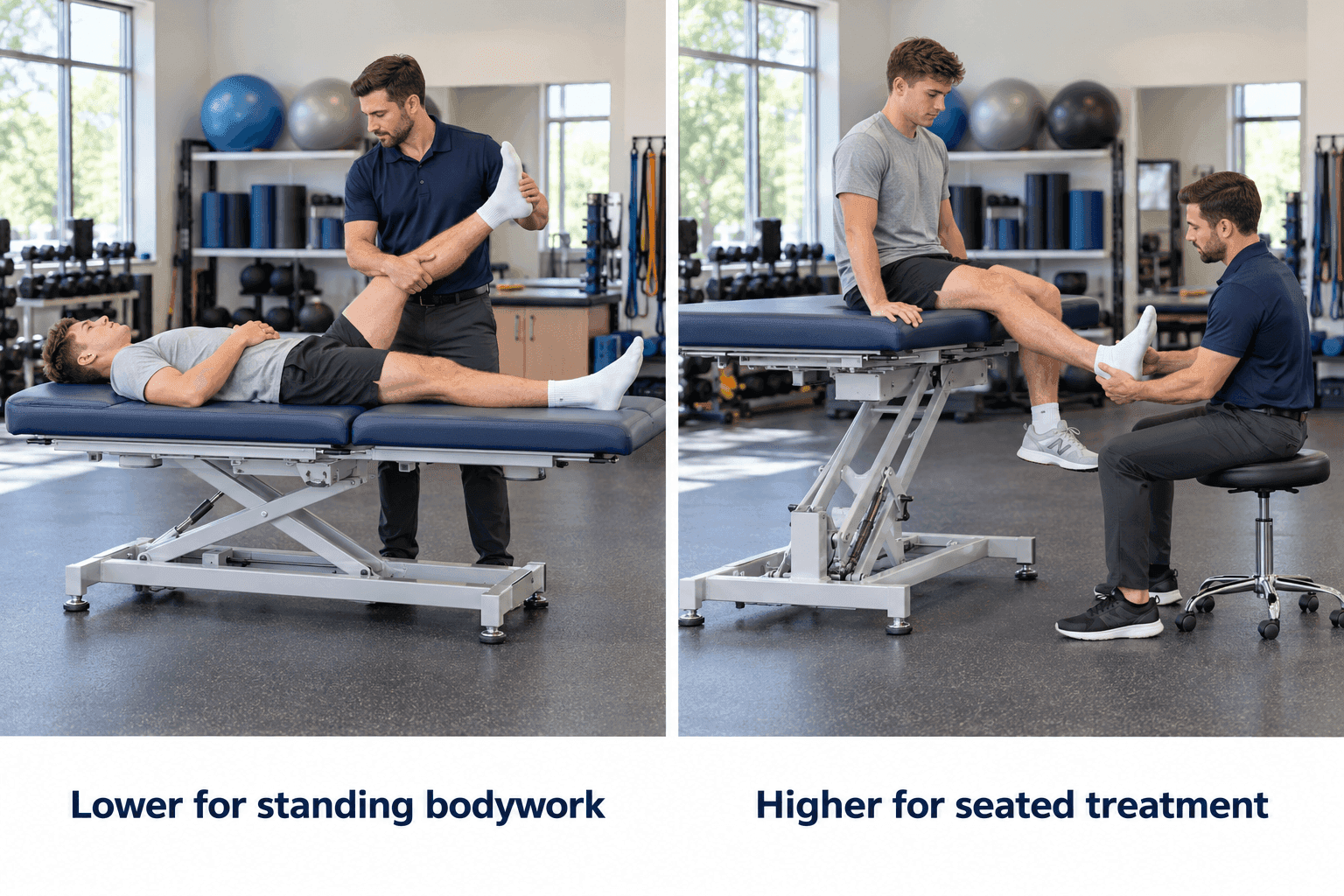
Compare the lowest and highest settings on your shortlisted athletic training tables. A lower table may suit some hands-on techniques or movement work, while seated treatment and other tasks may call for a higher surface. Check the range against the practitioner’s height and the positions used during a typical appointment.
How the height changes matters just as much. Manual legs can work well when a table stays at one setting. Electric adjustment deserves consideration when several practitioners share a table or the working height changes frequently. Only adjust an occupied table as permitted by its operating instructions.
For patient access, consider the entire transfer arrangement: table height, approach space, stability, and any required assistance or equipment. Choose around those needs rather than assuming a low minimum height alone resolves accessibility.
Width, length, and working reach
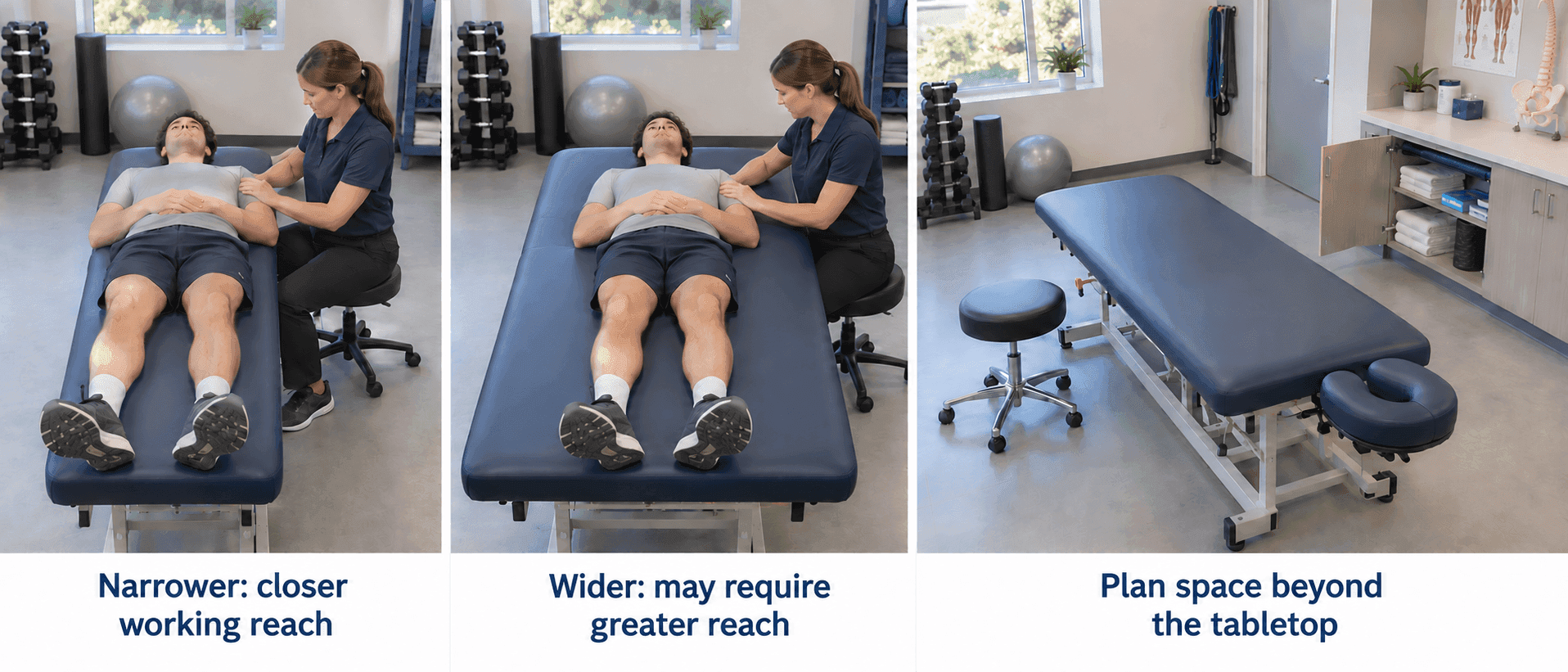
A wider table creates room for positioning, but also puts the middle of the surface farther from the practitioner. A narrower table can make close hands-on work more convenient, provided the client has adequate support.
Check whether the published length includes a face cradle or extension. Also allow room beyond the tabletop for the practitioner, a stool, opening cabinets, and any section that moves. Measuring only the empty room against the tabletop dimensions can underestimate the space needed for an appointment.
Padding and support
When comparing padded athletic training tables, foam thickness is only part of how the surface feels. Firmness, layering, upholstery tension, and the support beneath the foam all contribute. Ask how the cushioning behaves under pressure and whether it suits your mix of hands-on work, positioning, and longer appointments.
For firmer bodywork or movement tasks, consider whether a deeply cushioned surface would interfere with the support you want. For longer sessions, assess comfort in the positions clients will actually use. A compact hard-surface taping table and a padded full-length treatment table solve different problems.
Adjustable sections and head supports
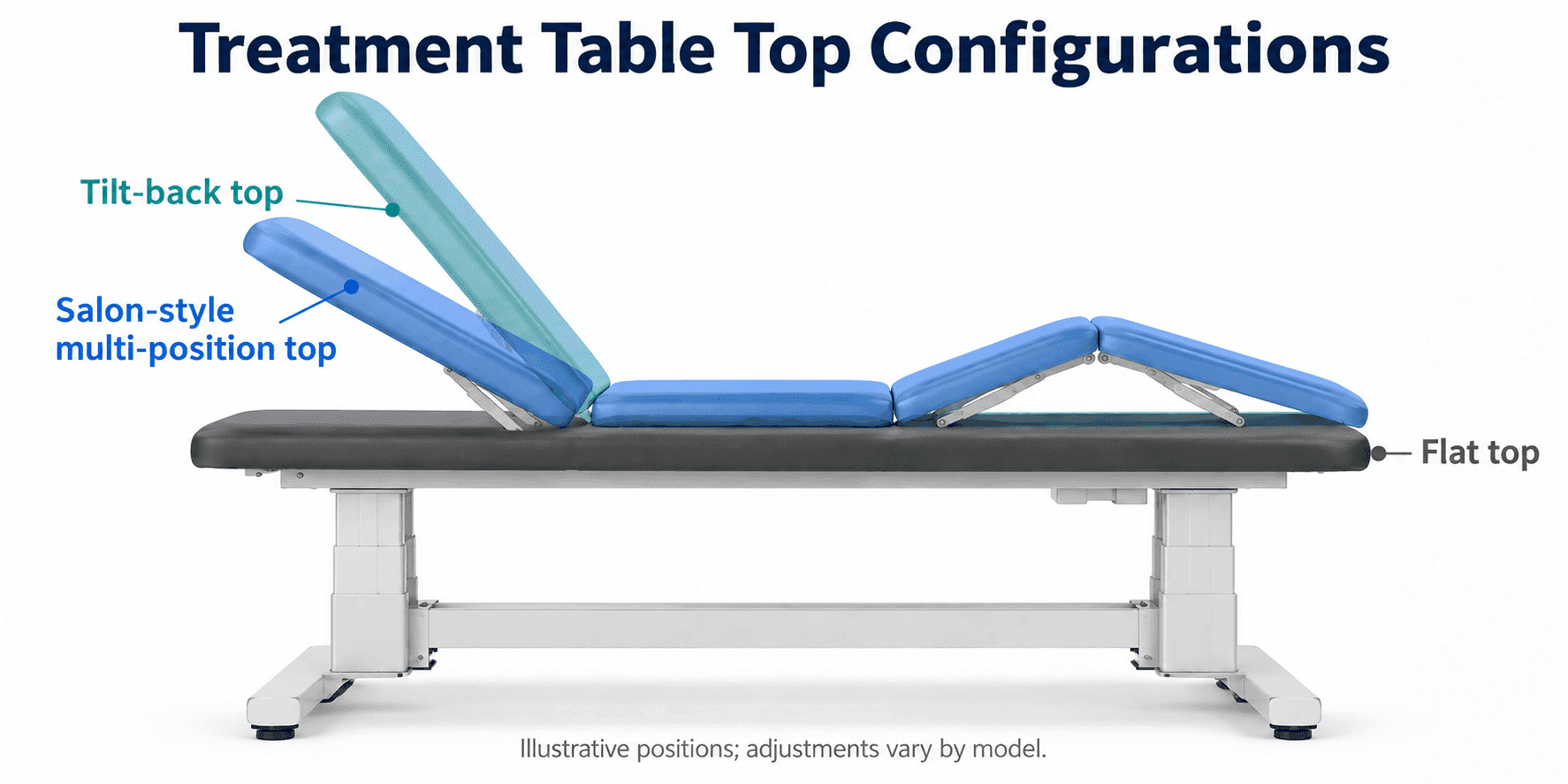
A flat surface may be all you need for massage, stretching, and many hands-on treatments. An adjustable backrest or leg section adds positioning options for seated or reclined work. Choose features you will use regularly, and check how they adjust and lock into place.
For face-down treatments, compare a built-in face opening with a separate face cradle. An adjustable cradle offers more flexibility in head positioning and adds length beyond the tabletop. Confirm which supports are included and which are sold separately.
Upholstery and maintenance
Before buying, check that the manufacturer’s cleaning instructions fit your practice’s cleaning and disinfection process. Compatibility can vary between upholstery materials, so avoid assuming one spray is suitable for every table. View the
on our site.Also ask about replacement cushions, straps, face cradles, and upholstery. Accessible
can matter more over time than an accessory you rarely use.4. Choose Physical Therapy Tables for Sports Rehabilitation
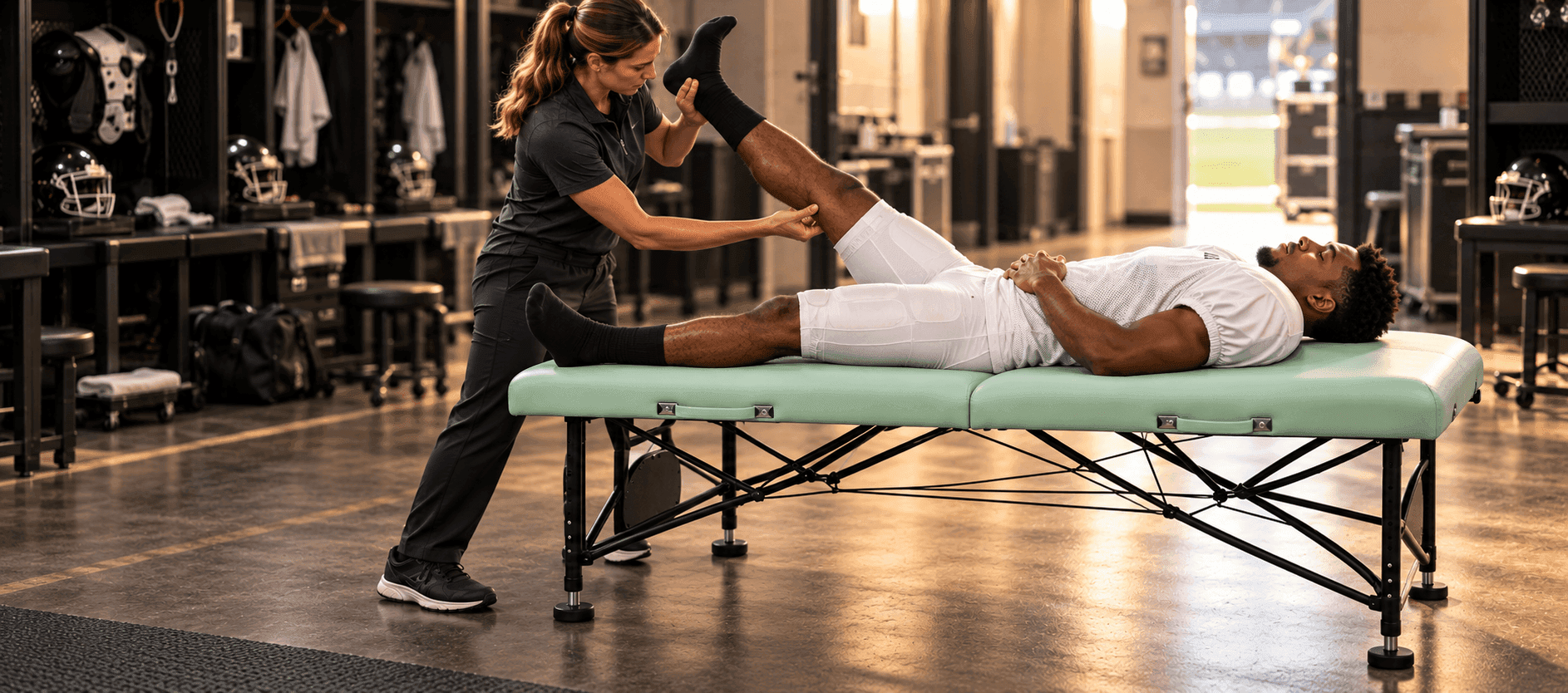
Practices comparing physical therapy and athletic training tables should consider both hands-on treatment and movement on the surface. Those activities do not always require the same surface.
A conventional full-length treatment table may fit appointments centered on manual work and supported positioning. A sectional table becomes more relevant when the practitioner regularly needs to change the support angle beneath part of the body. A mat table is worth considering when the planned activities require additional surface area.
Start by listing the positions and activities the table must accommodate. Then compare surface dimensions, height range, section adjustments, and manufacturer-approved use. The name “physical therapy table” does not guarantee a particular width, load rating, or set of features.
One table may serve several purposes in a smaller practice. In a busier clinic, separate surfaces may reduce time spent reconfiguring equipment or waiting for a workstation. A shared massage-and-rehabilitation room should be planned around the most demanding intended use, not just the most common appointment.
Explore MTN’s
alongside the featured models below.Portable physical therapy tables for shared spaces
If the room also serves other activities, consider how a portable physical therapy table will be set up and stored. Compare folded size, lifting and carrying demands, and the support needed for your planned treatments. A wide folding mat table may solve a storage problem while still being less convenient to transport than a narrower treatment table.
Professional and home use
When selecting a physical therapy table for home use, start with the treating professional’s requirements for the planned activities. Check access to the table, available assistance, usable floor space, and whether the equipment can stay in place. A folding design may help with storage, but it should not make daily setup impractical for the person using it.
5. Choose Portable Athletic Training Tables for Mobile and Sideline Work
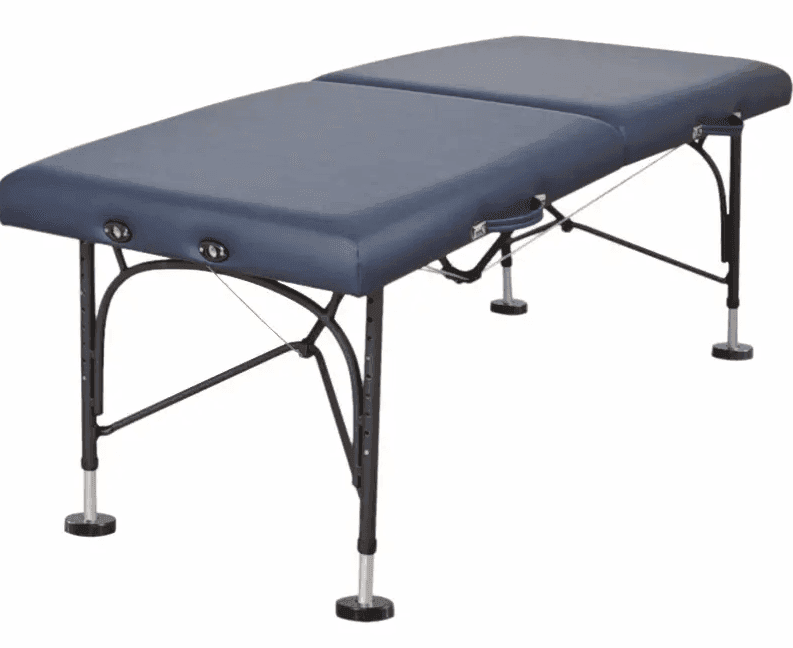
When comparing portable athletic training tables, account for the complete load you will carry. A case, headrest, bolsters, linens, and supplies add to that total. Check folded dimensions against your vehicle and storage area, and consider whether a carrying case or cart fits the route you regularly travel.
For field use, follow the manufacturer’s instructions for the surface and setup. Field feet can be a useful feature, but they should not be interpreted as permission to work on any slope or unstable ground. Check the legs and locking mechanisms before each use, and plan for weather exposure, cleaning, and dry storage.
Match the tabletop to the appointment too. A compact taping station can be useful for a focused task. Full-body sports massage generally calls for enough length and appropriate cushioning to support the intended position throughout the session.
6. Plan Athletic Training Equipment and Stretching Spaces
Start with the path through an appointment: arrival, access to the treatment surface, use of supplies, cleaning, and departure. Place supporting equipment so it helps that sequence without obstructing access.
Treatment and taping areas
When several athletes need attention at the same time, a separate taping surface can free the full-length treatment table for other work. A smaller room may begin with one suitable treatment table and add a dedicated station when demand justifies it.
Avoid treating a shopping list as a universal requirement. Equipment should reflect the services provided, the practitioners using it, and the facility’s operating plan.
Stretching tables and positioning supports
Bolsters, wedges, and head supports can help create the positions a practitioner needs. Choose sizes and materials that suit both the table and the service. Check that supports remain secure and can be cleaned appropriately.
For table-mounted straps and stretch systems, use the specified compatible hardware and operating instructions. Do not assume an accessory can be attached safely to an arbitrary frame or accessory opening. Browse MTN’s
for dedicated options.When comparing a stretch table or stretching table with straps, consider practitioner access and where the supports must be positioned. Check whether the package includes the mounting system and padded bands, how they release, and whether the table’s height suits the intended techniques. A compatible system is particularly useful when you need repeatable positioning across appointments.
Stools, carts, and storage
A
should allow the practitioner to work at the required height with adequate legroom. A can keep frequently used items nearby; cabinets can organize reserve supplies and help keep the treatment surface clear. Check drawer clearance and whether storage beneath the table restricts seated access.Plan separate places for clean supplies, used linens, and equipment awaiting cleaning. In a shared room, a simple, consistent storage layout helps each practitioner find what they need.
Choosing athletic training tables for high schools
When choosing athletic training tables for a school, begin with the athletic trainer’s actual workflow: the number of athletes arriving at busy times, the mix of taping and treatment, and equipment that must travel with teams. Consider how the room functions before practice as well as during quieter appointments.
Prioritize a suitable treatment surface, task-appropriate taping provision, essential positioning supports, and organized supplies. Expand according to services and workload. Leave room for the facility’s broader clinical and emergency requirements, which extend beyond the tables and furniture covered here.
7. Compare Six Tables for Athletic Training and Sports Therapy
The six models below show the choices available when comparing athletic training tables and complementary surfaces for stretching and rehabilitation. The suggested applications below are selection guidance based on their published designs; suitability still depends on your techniques, users, and the manufacturer’s instructions.
Master Massage MARS Portable Sport Treatment and Taping Table
The
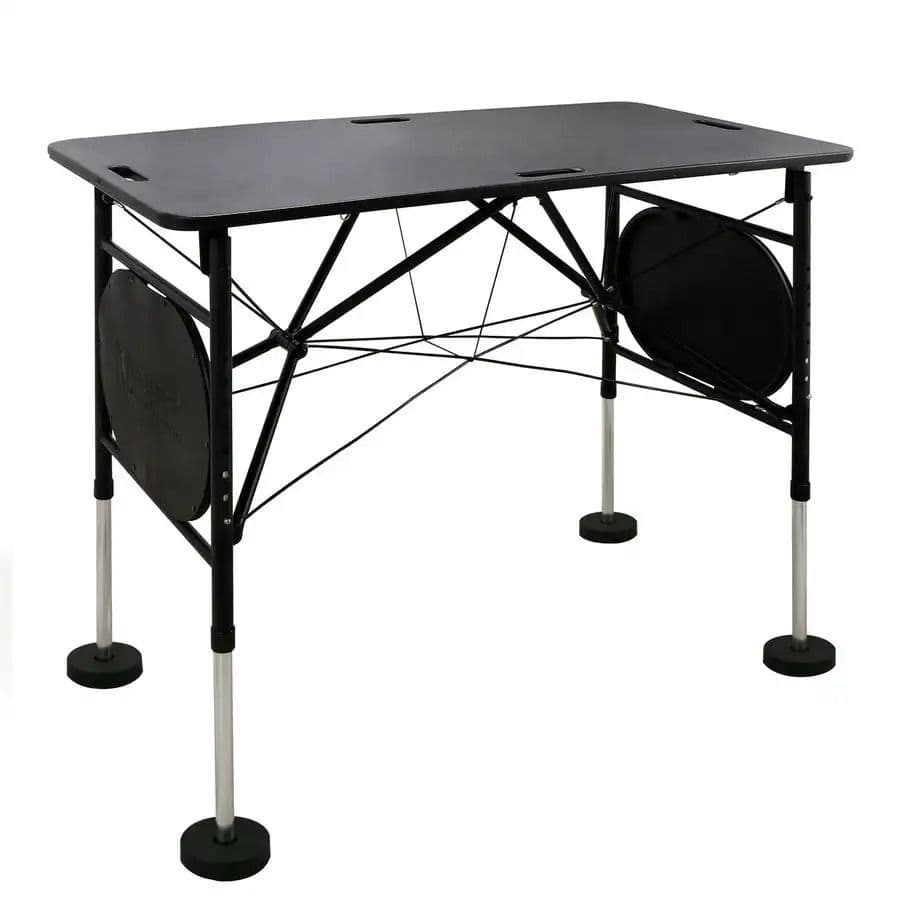
offers a compact surface for taping and focused treatment tasks. Its published 47-inch length is an important distinction from a full-length massage table. The folding aluminum design weighs 22 pounds and includes removable field feet. Its ABS tabletop also makes it a different kind of working surface from the upholstered models below.Consider it when a smaller station fits the job and transport is a priority. Check the required position carefully before choosing it for longer or full-body sessions.
Oakworks BOSS Portable Treatment Table With Field Feet and Case
The
package combines a full-length padded treatment surface with a carry case and field feet. Oakworks lists two widths and multiple cushioning options, allowing the buyer to compare working room and surface feel.It is worth considering for mobile treatment when a full-length table matters. Account for the carrying weight of your chosen configuration, especially if the route includes stairs or long walks. Manufacturer specifications
Earthlite MediSport Portable Treatment Table
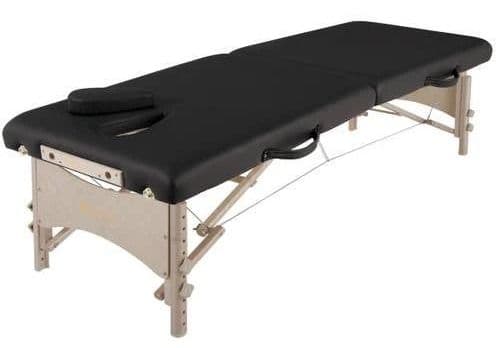
The
combines a narrow, full-length top with a relatively low manual height range. Its 1.5-inch cushioning and face opening suit buyers looking for a supportive portable working surface with close access.Compare its maximum height with your working position before ordering. A low table can serve one practitioner’s techniques well while being too low for another’s routine.
Earthlite Sedona Stationary Table With Stretch Assist
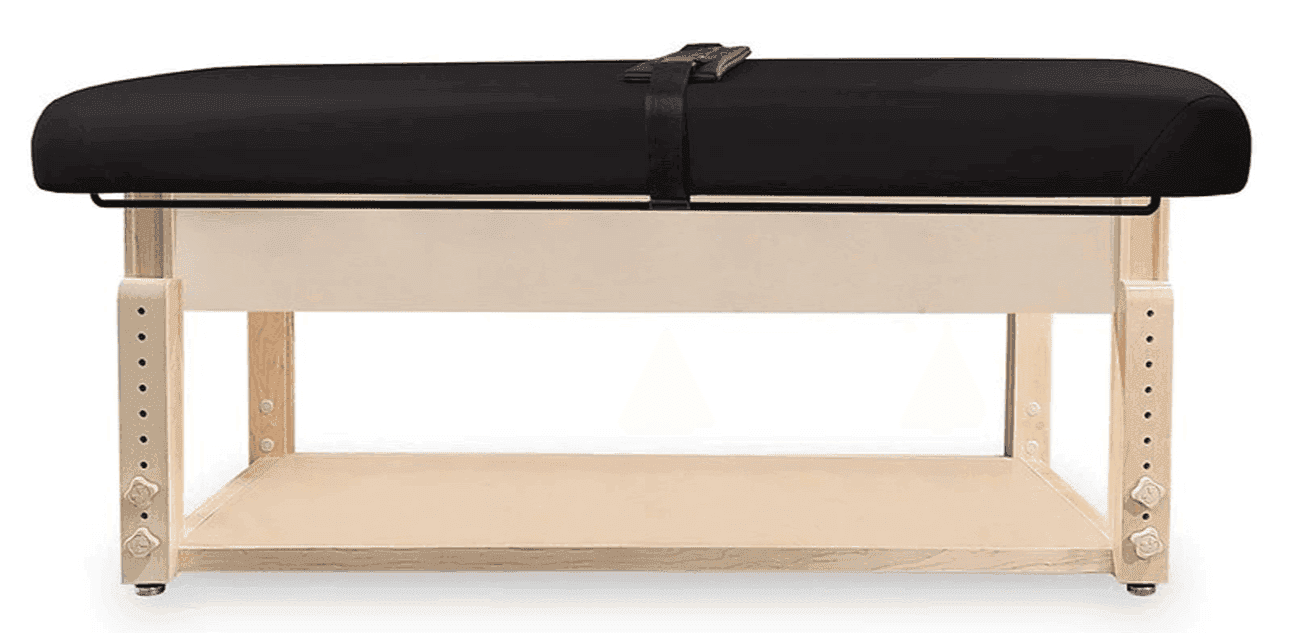
The
pairs a stationary flat-top table with a compatible band system for practitioner-assisted stretching. The system provides padded straps and bars for repositioning the supports; shelf and cabinet base options offer different storage arrangements.Consider this model for a dedicated stretching space. Its manually adjustable height makes it important to choose a working setting that suits the intended users and services.
Master Massage 29-Inch TheraMaster Four-Section Electric Bodywork Table
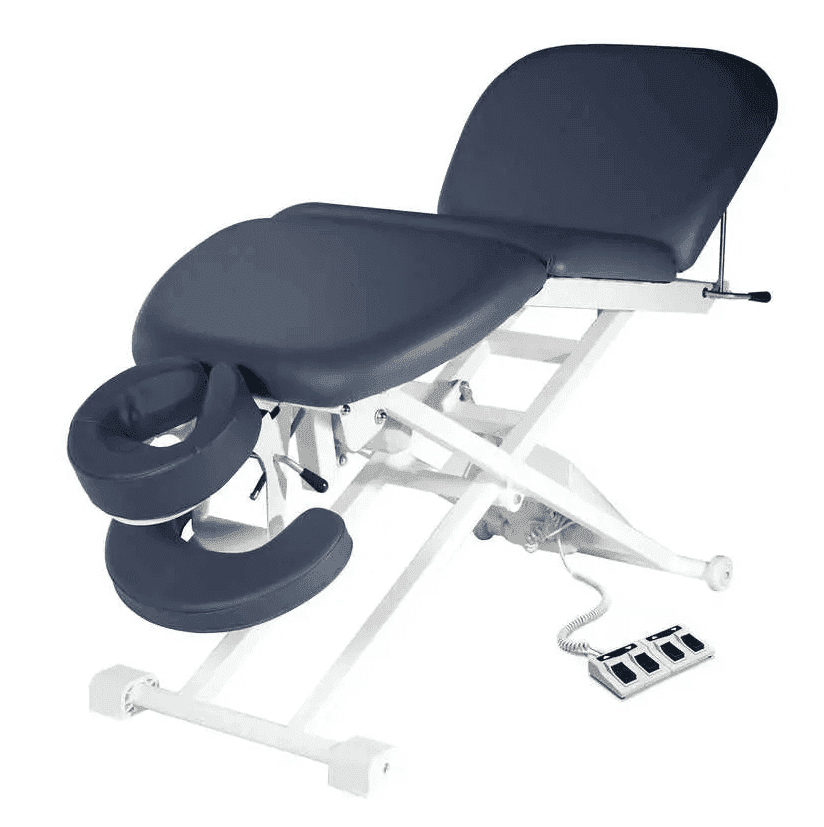
The
brings electric height adjustment and a sectional top to a permanent treatment space. Its steel frame, adjustable positioning features, and foot controls make it a candidate for practices where setup changes form part of the appointment.Compare the section movements with your required positions, and confirm which functions each control operates. At a published 165 pounds, it is equipment for a room rather than a carry-in event setup.
Oakworks 35-Inch Storable Mat Table
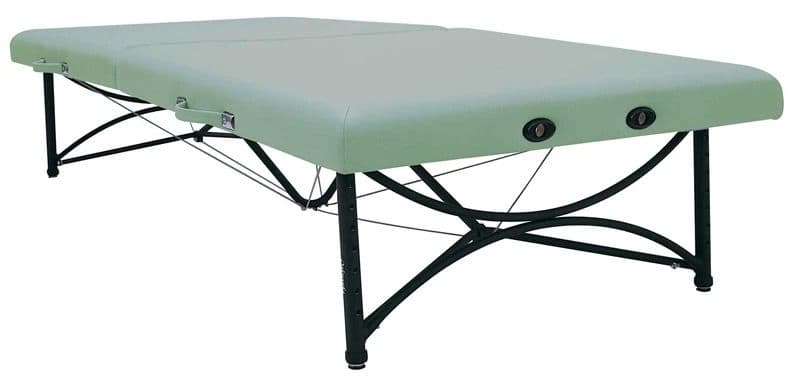
The
provides a wider, low working surface that folds for storage. This makes it worth evaluating for rehabilitation or movement work where a conventional narrow table does not provide enough room.Its published 40–45-pound weight is relevant to transport planning. Folding storage may be the main convenience for a shared room, even when frequent travel is not intended.
Compare dimensions and adjustment
| Model | Published length × width | Height range | Published table weight | Main buying distinction |
|---|---|---|---|---|
| Mars Taping Table | 47 × 23.6 inches | 26.3–35.2 inches | 22 lb | Compact folding taping surface |
| Boss Athletic Training Table | 73 × 29 or 31 inches | 24–34 inches | 35–38 lb; configuration affects weight | Full-length portable package with field feet |
| MediSport Treatment Table
|
73 × 25 inches | 17.5–26.5 inches | 34 lb | Narrow top and low manual range |
| Sedona Stretch Assist | 73 × 30 inches | 25–34 inches | Confirm selected base configuration | Stationary table and compatible stretch system |
| TheraMaster Electric Table | 75 inches including face cradle × 29 inches | 21–34 inches | 165 lb | Electric height and sectional positioning |
| Storable Mat 35" | 78 × 35 inches | 16–25 inches | 40–45 lb | Wide, low surface that folds for storage |
Use these dimensions to compare athletic training tables against your available space and required working positions. Specifications come from the manufacturer's pages linked in each profile. Confirm the configuration on the current MTN listing before ordering. Length measurements are not identical in scope: TheraMaster’s stated length includes its face cradle.
Compare published load ratings
| Model | Manufacturer’s published capacity wording |
|---|---|
| MARS | 550 lb working capacity |
| BOSS | 600 lb weight capacity |
| MediSport | 800 lb maximum working weight |
| Sedona Stretch Assist | 1,000 lb maximum working weight |
| TheraMaster | 550 lb maximum working load |
| Storable Mat 35" | 550 lb dynamic load capacity |
These labels come from the same manufacturer sources above and are not a standardized ranking of strength. Check the applicable manual for permitted loading, lifting, section limits, and intended use. In particular, a table’s general capacity does not establish an accessory’s permitted load.
8. Build a Setup Around Your Services and Budget
The most useful purchase is the one that addresses a recurring need. Start with the treatment surface, then add the equipment required to position clients, organize supplies, and maintain the space.
| Setup | Initial equipment to plan | Add when the service requires it |
|---|---|---|
| Mobile sports massage | Suitable full-length portable table, compatible head support, carrying protection, positioning support, and cleaning supplies | Transport cart, additional bolsters, or a separate compact taping station |
| School or team athletic training room | Treatment surface, appropriate taping provision, practitioner seating, and organized supplies | Additional stations, mobile equipment, or specialized treatment furniture |
| Sports rehabilitation and stretching practice | Table matched to positioning needs, selected supports, seating, and storage | Wide mat surface, compatible stretch system, or an additional adjustable table |
These are examples of furniture and accessory planning, not complete clinical supply lists.
Calculate the total setup cost
When budgeting for athletic training tables, include the selected upholstery or padding, face support, carry case, storage options, and any compatible stretch accessories. Then check delivery charges and what the delivery service actually includes. Bringing a heavy table inside, assembling it, and removing packaging may require separate arrangements.
Measure doorways, hallways, and any elevator before ordering. For powered equipment, plan the outlet location and cable route. Check warranty coverage by component and ask how service or replacement parts are handled.
If financing is part of the budget, compare the full cost to the equipment's expected use. MTN’s financing information and
can help organize the numbers. Use realistic appointment volume and expenses rather than assuming the table will immediately fill the schedule.
10. Choose Your Equipment With Massage Tables Now
Well-chosen athletic training tables fit the work you perform every day: the positions you need, the people you treat, and the space you have. Whether you need a portable treatment table, a dedicated taping station, or a surface for rehabilitation and stretching, begin with those requirements and compare the features that make daily use more manageable.
Massage Tables Now can help you compare table configurations, positioning options, and supporting equipment for your practice. Whether you are equipping a school training room, adding assisted stretching, or selecting a portable table for sports massage, bring us your priorities, and we can help narrow the options.
Explore our physical therapy tables, assisted stretch therapy equipment, and accessories and supplies, or contact us at 888-515-0444 or
for help with your selection.- How do I compare athletic training tables?List the tasks the table must support, then check surface dimensions, height range, stability, rated capacity, and any required positioning features. Decide whether it will stay in a training room or travel with the team. A compact taping surface and a full-length padded treatment table may both belong in an athletic training setup, but they are not interchangeable for every task.
- What is the difference between a taping table and a treatment table?A taping table is selected around access for sports taping tasks and may have a compact surface. A full-length treatment table provides more room for supported lying positions and hands-on work. Compare the actual dimensions and intended uses: a product name alone does not tell you whether the surface suits a full-body session.
- What is the difference between a sports massage table and a physical therapy table?The categories overlap. A sports massage setup often prioritizes full-body support, practitioner reach, and cushioning for hands-on work. Physical therapy may call for a similar table, a sectional surface, or a wider mat table, depending on the activities performed. Compare the actual dimensions, adjustments, and approved uses rather than relying on the product category.
- How are chiropractic tables different from physical therapy tables?Some chiropractic tables include specialized mechanisms such as drop sections or flexion-distraction functions. Those features serve particular techniques and are different from ordinary height adjustment or a tilting backrest. Physical therapy table selection may instead emphasize a flat working area, a mat surface, or positioning sections. Specialized chiropractic designs can be seen in Lloyd’s flexion-distraction table range. Neither label alone establishes what a table can do. If your work requires a specific mechanism, confirm that the exact model includes it and is intended for that use. A face opening does not by itself make a table a specialized chiropractic table.
- Can one table serve massage, assisted stretching, and rehabilitation?Possibly, when its design and approved uses match all the planned services. Check stability, height, surface size, accessory compatibility, and the positions required. A shared table may suit a smaller practice; separate surfaces can be more practical when services need substantially different setups or occur at the same time.
- When is electric height adjustment worth considering?Electric athletic training tables are worth considering when height changes are frequent, several practitioners share the room, or appointments involve different working positions. Manual adjustment can be sufficient when a table remains at one setting. The value depends on how you use the table during the day.
- How wide should a sports therapy table be?Choose enough space for the intended positions while preserving comfortable practitioner reach. Movement work may need more surface area than focused hands-on treatment. Compare the actual models and, where possible, assess a similar width in person before buying.
- Is firmer padding always better for sports therapy?No. The useful balance depends on the work performed and the client’s comfort. Evaluate support, compression, and positioning rather than thickness alone. A surface that works for a short taping task may not suit a long massage appointment.
- Can a portable table be used outdoors?Only within the manufacturer’s stated conditions. Check the setup surface, feet, weather limitations, and care instructions. A model offered with field feet still requires an appropriate, stable location and correct setup.
- What athletic training equipment should a small room prioritize?Begin with the practitioner’s most common tasks, peak workload, and space. A suitable treatment surface, appropriate taping provision, essential supports, and organized supplies form a useful furniture plan. Specialized additions should follow the services offered and the facility’s requirements.