Best Massage Oils And Creams: The Complete Professional Guide
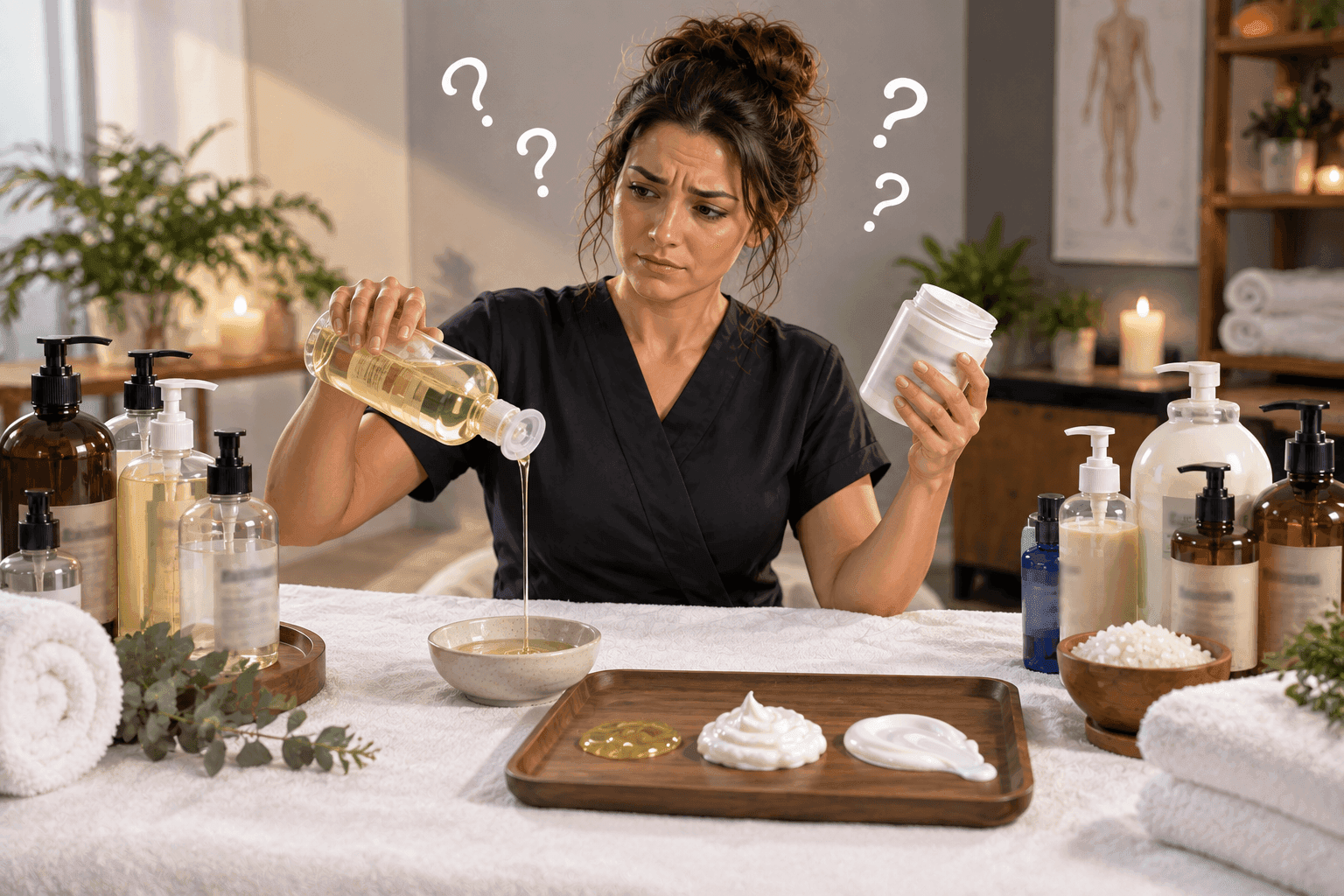
Table of Contents
There is no single product that qualifies as one of the best massage oils for every therapist, technique, or client. The right choice strikes a comfortable balance between glide and control, suits the client’s skin and scent preferences, supports the type of massage being performed, and works with your treatment-room and laundry routine.
If you are selecting your first massage medium, begin with the comparison chart and five-point selection method. If you already know the texture or working time you prefer, explore the product examples and quick decision guide to find the best match for your practice.
How to Choose the Best Massage Oils for Your Sessions
Choosing a
should feel less like decoding a chemistry label and more like preparing for the person on your table. The right product quietly supports the session: your hands move as you intend, the client feels comfortable, and you are not left fighting greasy residue, stained linens, or lingering scent long after the appointment.That is why no single bottle deserves to be called the best massage oil for every therapist, client, and technique. A flowing relaxation massage asks something different of a product than focused deep-tissue work. Sensitive or scent-averse clients require different considerations than clients who have specifically requested aromatherapy. This guide brings those choices together so you can build a small, dependable collection instead of buying by guesswork.
Before comparing ingredients or brands, define the job the product must do.
- Technique: Do you need long, flowing strokes or precise, controlled work?
- Working time: Should the product remain on the surface or be absorbed relatively quickly?
- Client profile: Are fragrance sensitivity, nut allergies, reactive skin, or ingredient preferences part of the intake?
- Finish: Does the client prefer a rich, moisturized after-feel or a lighter, less oily finish?
- Practice realities: Consider dispensing, bottle warmth, sheet care, cost per treatment, and storage stability.
Oil, lotion, cream, or gel?
Once you know what the session requires, the easiest way to narrow the choices is by format. Oil, lotion, cream, and gel are not simply different textures; each changes the balance between glide, grip, absorption, and after-feel. Examine the mediums to determine your best massage oils.
| Medium | Feel and working time | Often useful for |
|---|---|---|
| Oil | Highest glide; usually the longest working time | Swedish-style relaxation work, broad strokes, dry skin, modalities where continuous glide matters |
| Lotion | Lighter feel with moderate glide and faster absorption | General practice, shorter sessions, clients who dislike an oily finish |
| Cream / crème | Balanced glide and grip; stays workable without excessive slip | Deep tissue, sports, and targeted work, therapists who want more control |
| Gel / aloe-based medium | Cooling, lightweight, and quick to absorb; glide varies by formula | Skin-focused services, short targeted applications, warm-weather or low-residue preferences |
PRACTITIONER TIP: Keep at least two complementary options: a reliable unscented, allergy-aware everyday medium and a second product with a different level of glide or grip. That small kit covers far more clients than a shelf full of similar oils.
A five-point selection method
Finding the best massage oils requires more than choosing between light and rich textures. Use these five checks to determine whether a particular formula will work for your technique, clients, and treatment-room routine.
1. Match glide to technique
Long strokes generally benefit from more glide and a longer working time. Focused or pressure-based work usually benefits from more control and less surface slip.
2. Check absorption and after-feel
Fast-absorbing products feel lighter and reduce lingering residue; slower-absorbing products extend workability and can feel more conditioning.
3. Screen for sensitivities
Ask about fragrance, botanical and nut allergies, reactive skin, pregnancy, respiratory sensitivity, and current topical products. Read the complete label—“natural” does not mean reaction-proof.
4. Decide whether scent belongs in the session
Unscented is the most flexible default. Use scent only with informed client preference, and remember that “unscented” and “fragrance-free” may not always mean the same thing on a label.
5. Test the whole workflow
Trial a small amount to assess pump performance, spread, reapplication, towel-off, sheet staining, laundering, and skin feel 15–30 minutes later.
Carrier oils at a glance
After texture and technique come ingredients. Carrier oils make up most of a massage blend, so their feel, odor, stability, and allergen profile matter more in practice than a long list of trendy additions.
| Carrier oil | Typical feel | What to know |
|---|---|---|
| Fractionated coconut | Light, silky, low-odor; generally good working time | A versatile base for unscented work or diluted aromatherapy blends. |
| Grapeseed | Light, smooth, relatively quick-absorbing | Its faint scent lets added aromas come through; freshness and storage matter. |
| Sweet almond | Light-to-medium, smooth, and conditioning | Popular for general massage, but disclose the nut-derived ingredient and keep a nut-free alternative. |
| Jojoba | Light, stable, skin-like finish | Technically a liquid wax; often blended to improve finish and stability. |
| Sunflower/safflower | Light and economical | Common in professional blends; check processing, formula, and shelf life. |
| Sesame | Medium, warming-feeling, distinctive aroma | Traditional in Ayurvedic-inspired work; scent and seed sensitivity may affect fit. |
| Avocado | Rich and nourishing | Useful as part of a blend when more body is desired; may feel heavy on its own. |
| Olive | Rich, slow-absorbing, recognizable aroma | Long-lasting glide but a heavier finish and greater linen-care burden. |
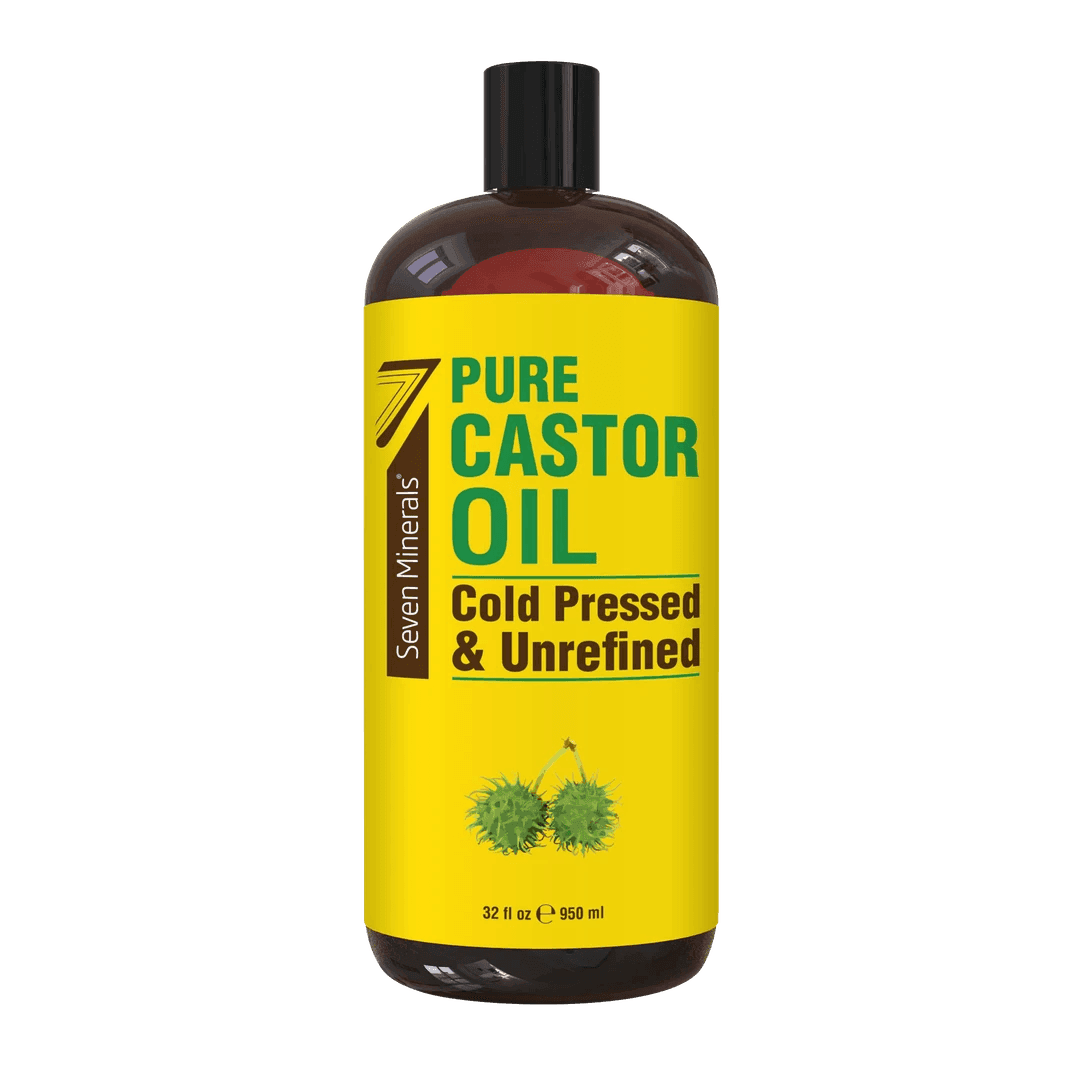
| Castor | Very thick and tacky | Best treated as a specialty blend component or targeted product rather than an automatic full-body default. |
How to think about specialty ingredients
A dependable everyday medium may cover most appointments, but a few specialty ingredients can earn a place on the shelf when they solve a specific need. The key is to choose them for what the finished formula actually does—not for sweeping wellness promises.
Aloe vera
can add a cooling, lightweight, hydrating feel. They are especially appealing when a client wants minimal oiliness or a soothing skin finish. Because aloe gel contains water, do not assume it will behave like an oil: working time, preservatives, slip, and compatibility with other products depend on the finished formula. Patch-test when sensitivity is a concern.Castor oil
is unusually viscous and rich in ricinoleic acid. In practice, its strongest advantage is texture: it can add cushion and reduce the need for constant reapplication in a targeted blend. Blend it with a lighter carrier when full-body spreadability is needed. Claims that topical castor oil “detoxifies,” produces weight loss, or treats medical conditions go beyond what a massage medium should promise.Arnica, menthol, magnesium, and other actives
Products with arnica, menthol,
, or botanical extracts may create a warming, cooling, aromatic, or specialty-treatment experience. Use only as directed; avoid broken or irritated skin unless the label explicitly permits it; wash hands after cooling or warming products; and never let a product claim replace appropriate medical evaluation.Aromatherapy without guesswork
Scent is often the next question, especially after you have chosen a neutral carrier or unscented professional formula. Aromatherapy can shape the mood and sensory character of a session, but
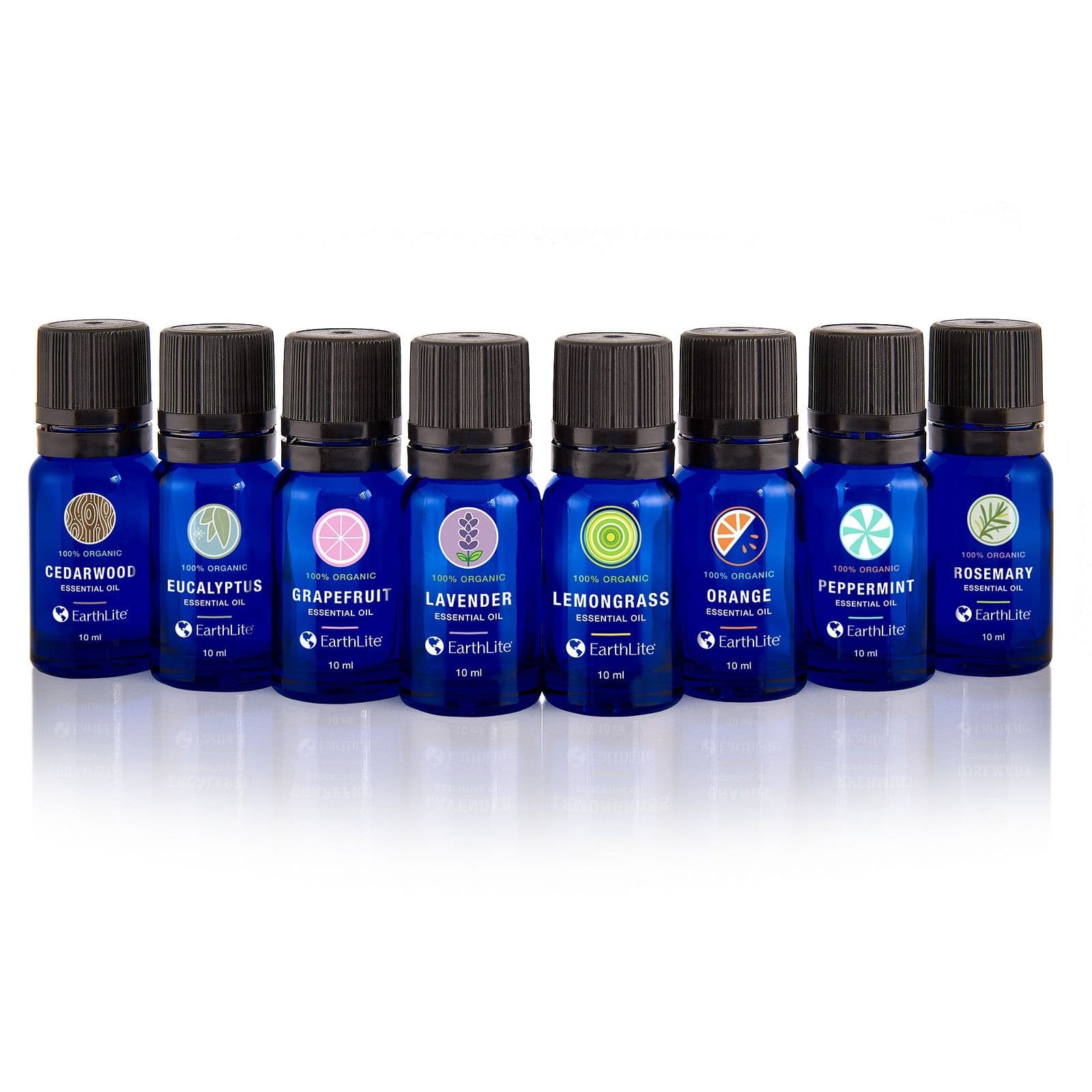
are concentrated materials—not ready-to-use massage oils. The safest, most professional approach is optional, conservative, and documented.- Begin with client consent. Ask about scent preferences, headaches or migraines, asthma or respiratory sensitivity, skin reactions, pregnancy, medications, and pets or children who may be exposed after the session.
- Use a properly formulated pre-blend or follow the supplier and professional safety guidance for dilution. More scent is not more therapeutic.
- Never apply undiluted essential oil directly to the skin. Keep it away from eyes, mucous membranes, and compromised skin.
- Patch-test when appropriate and record the product and blend used in the client note.
- Store concentrated essential oils tightly closed, away from heat and light, preferably in suitable glass containers. Follow the manufacturer's shelf-life directions.
| Aroma direction | Common examples | Session character |
|---|---|---|
| Calm and quiet | Lavender , chamomile, cedarwood | Soft, grounding, bedtime-adjacent; confirm the client enjoys floral or woody aromas. |
| Fresh and focused | Peppermint , eucalyptus , rosemary | Brisk and stimulating; may be unsuitable for scent-sensitive clients. |
| Bright and uplifting | Lemon , grapefruit , and other citrus oils | Fresh and lively; some expressed citrus oils can be photosensitizing, so check the specific product guidance. |
| Unscented | No added essential oil | The most adaptable choice for sensitive clients and fragrance-free environments. |
IMPORTANT: Aromatherapy may support comfort and the sensory experience, but it should not be described as diagnosing, curing, or treating anxiety, respiratory disease, inflammation, or other medical conditions.
From intake to cleanup: a practical protocol
A well-chosen product can still create problems if it is over-dispensed, overheated, poorly documented, or left to soak into linens. Bring the selection process into the full treatment-room routine with this simple protocol.
Ask: Confirm allergies, fragrance preferences, skin concerns, treatment goals, and any contraindications within your scope of practice.
Inspect: Read the full ingredient list, directions, warnings, lot information, and expiration or period-after-opening guidance.
Test: Dispense a small amount and assess the slip before committing to more. Add product gradually.
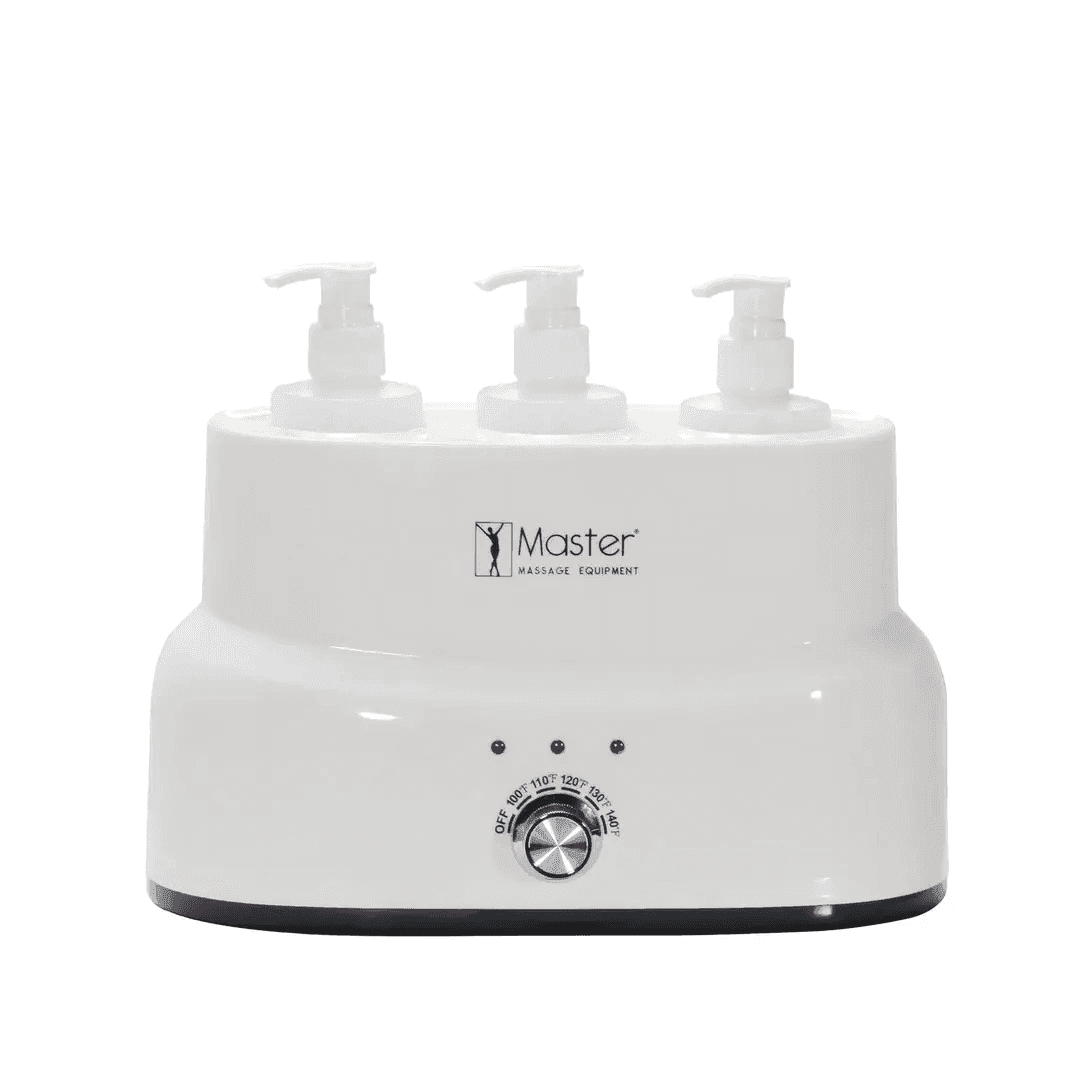
Warm safely: Warm only the amount needed using a purpose-designed method or a warm-water bath. Check the temperature on yourself before application; never assume a heating device is suitable for every bottle or formula.
Document: Note reactions, preferences, and the product or aromatherapy blend used.
Clean promptly: Blot excess product, pre-treat oily marks, and launder according to the linen and product manufacturer's directions. Avoid machine drying until the stains are gone, as heat can set the residue.
Examples of the Best Massage Oils, Creams, and Accessories
The best massage oils are not necessarily the same for every technique or client. Instead of naming a single universal winner, the following products illustrate the qualities to look for when comparing professional massage oils, creams, carrier oils, and aromatherapy products.
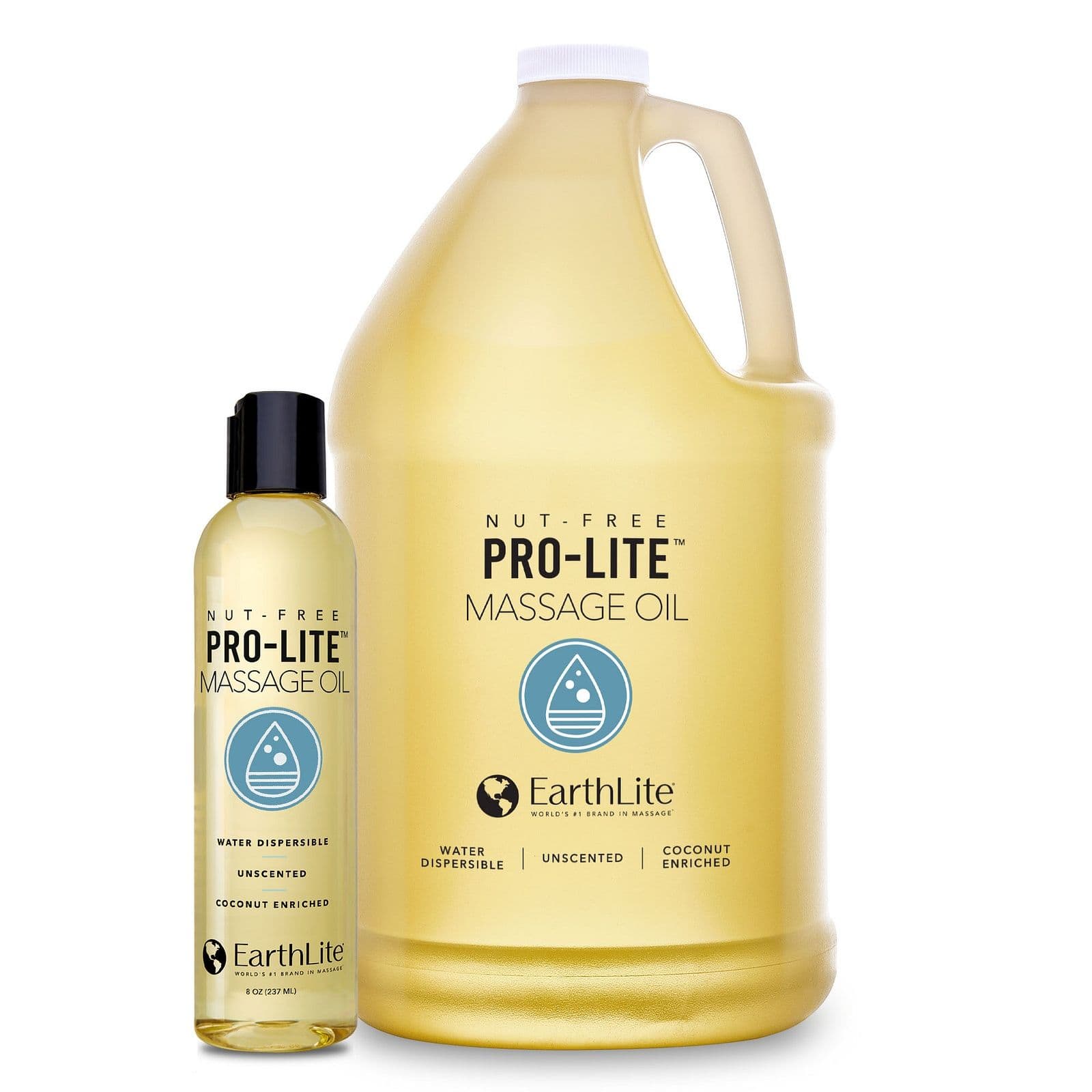
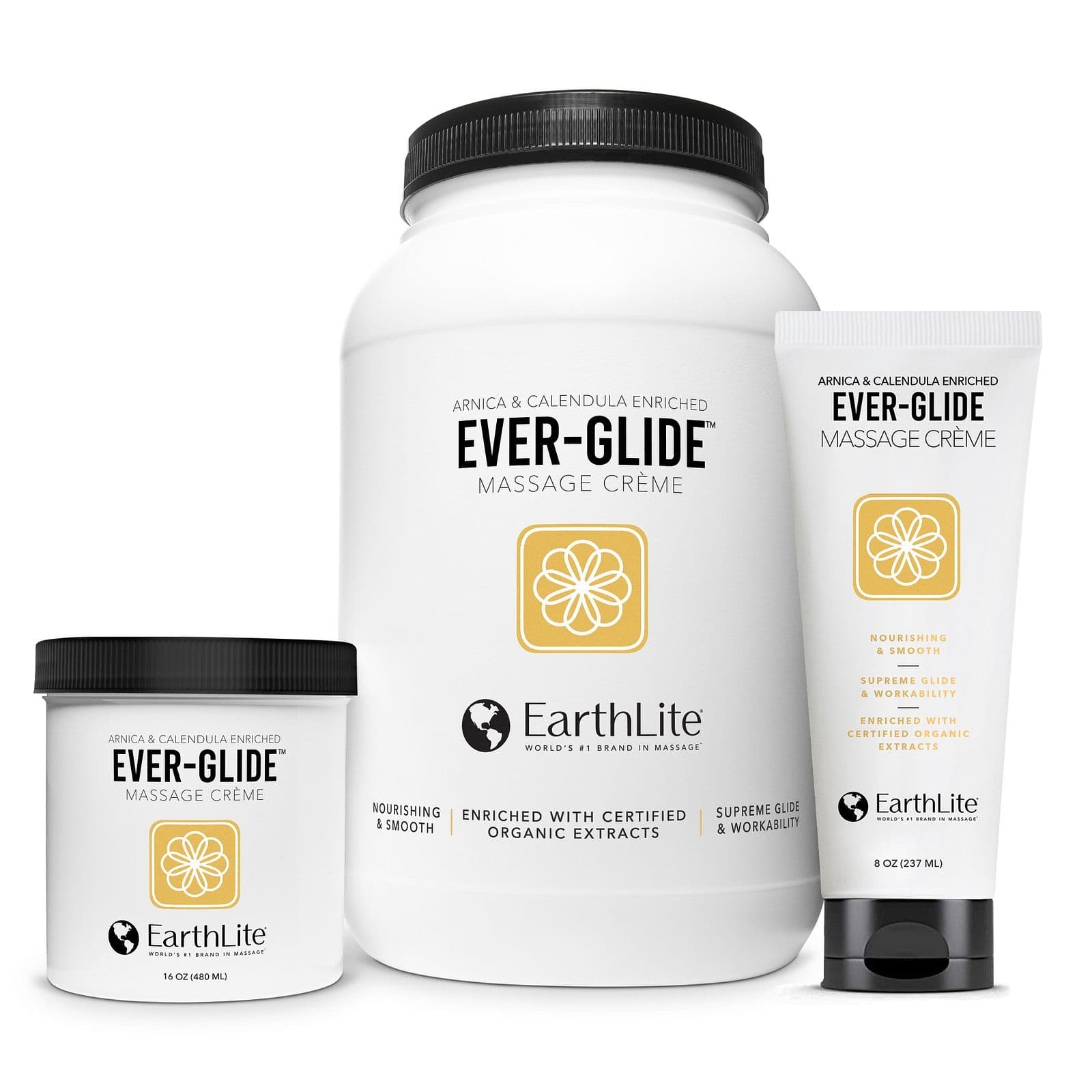
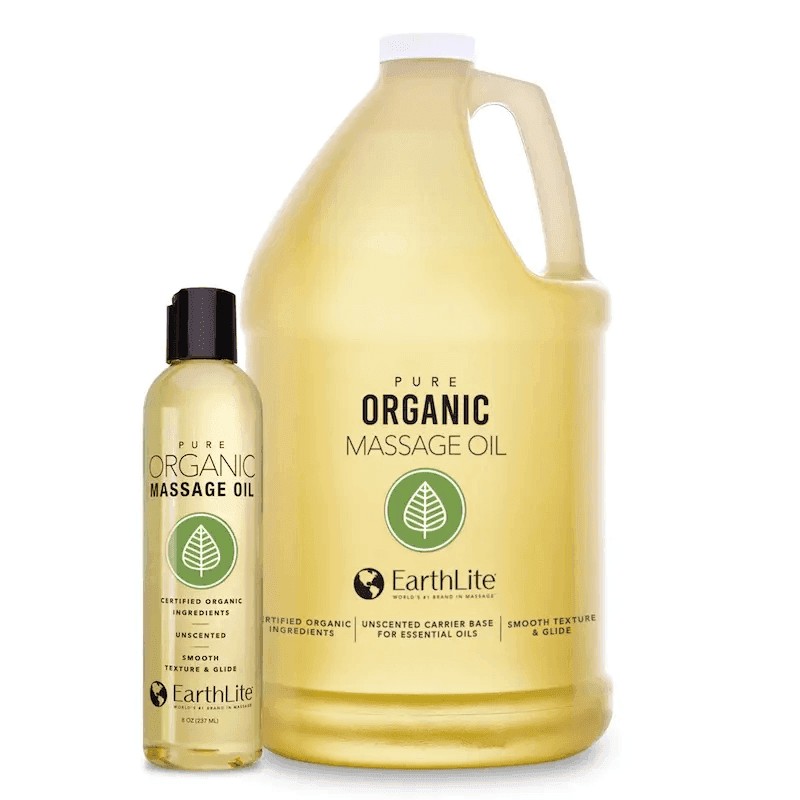
WHY THESE EXAMPLES WORK: Together, they cover the decisions most therapists actually make: light oil versus crème, simple plant-based blend versus specialty carrier, unscented versus aromatherapy, and bottle alone versus a more efficient dispensing setup.
Build a smarter product shelf
With those examples in mind, building a product shelf becomes much simpler. A well-rounded practice does not need every oil; it needs distinct tools. The current Massage Tables Now assortment includes professional oils, lotion, crème, carrier oils, unscented and water-soluble options, aromatherapy products, aloe-based products, and dispensing accessories.
When comparing the best massage oils for your practice, consider more than ingredients alone. Bottle size, dispensing method, linen care, working time, scent, and compatibility with your most frequently performed techniques all affect the product’s everyday value.
| Need in the treatment room | A practical category to consider |
|---|---|
| Long glide / classic oil work | Professional massage oil or 100% pure organic oil blend |
| More control with a lighter finish | VERSA-LITE professional massage lotion |
| Balanced glide and grip | EVER-GLIDE professional massage crème |
| A lighter professional oil option | Pro-Lite professional massage oil |
| Nut-aware planning | Natural nut-free professional massage oil or another clearly labeled nut-free formula |
| Simple carrier-oil customization | Fractionated coconut , sweet almond , grapeseed , jojoba, or castor oil selected to fit the client and technique |
| Scent exploration | A pre-formulated aromatherapy variety pack or a single-note essential oil used according to directions |
| Low-residue / easier laundering | An unscented water-soluble massage oil blend |
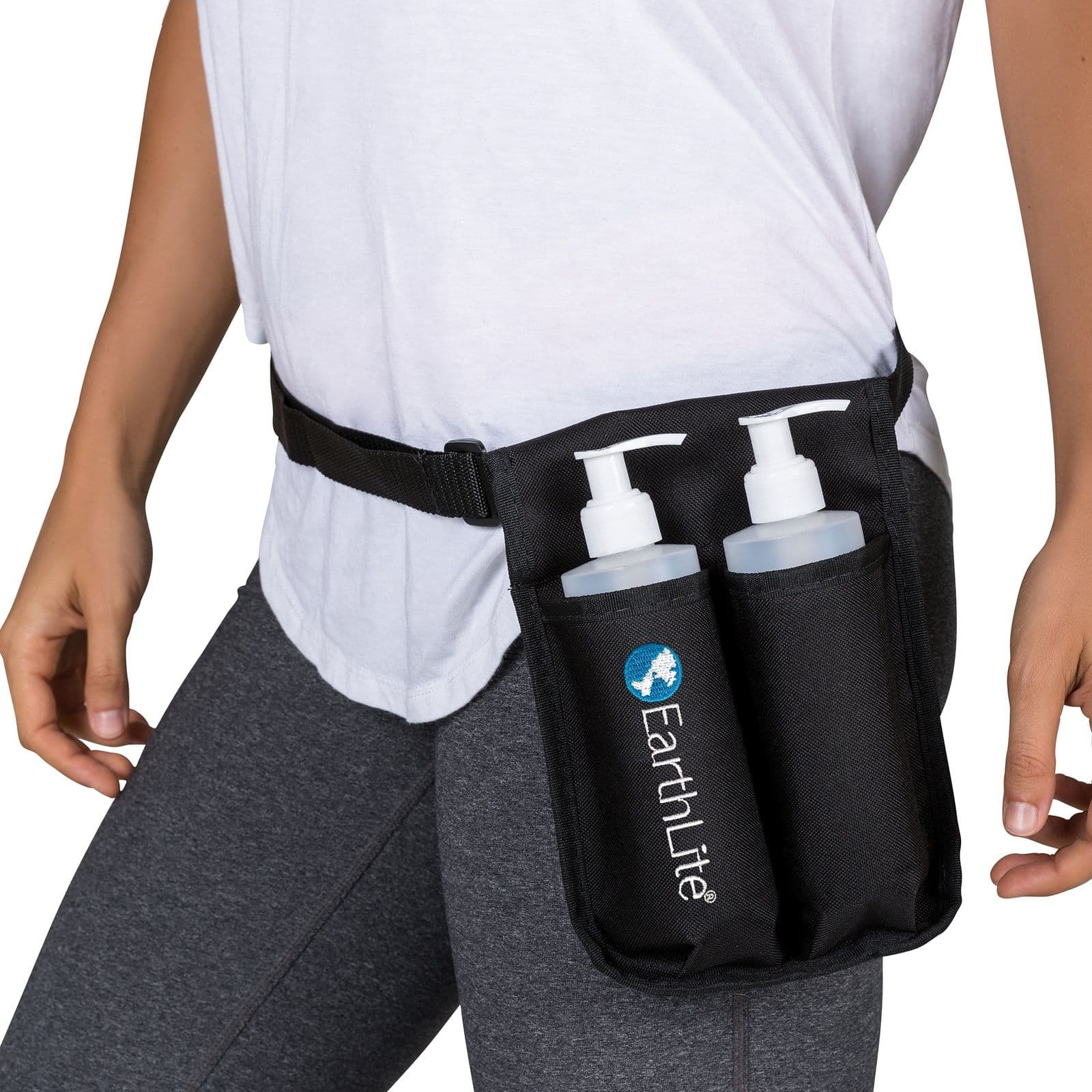
| Efficient dispensing | Pump bottle , holster, double holster , or purpose-designed oil/lotion warmer |
Product names and availability can change. Confirm the current label, ingredients, size, directions, and stock status before recommending or purchasing.
Quick decision guide
If you are still deciding between two formats or products, return to the session's single most important outcome and use this shortcut.
| If the priority is… | Start by testing… |
|---|---|
| Long relaxation strokes | A medium-to-long-glide oil |
| Detailed or deep-tissue control | A cream, crème, or faster-absorbing lotion |
| Sensitive or scent-averse clients | An unscented, simple-ingredient option with a verified allergen profile |
| A customizable aromatherapy base | A low-odor carrier oil or professionally formulated unscented blend |
| A light, cooling finish | An aloe-based gel or compatible lightweight medium |
| Rich targeted work | A castor-containing blend diluted for a workable spread |
| Reducing linen residue | A water-soluble formula, conservative dispensing, and prompt stain treatment |
The bottom line
The best massage oils and creams are the ones that make a session feel natural for both therapist and client. Choose by function rather than fashion: start with technique and comfort, screen for sensitivities, use aromatherapy conservatively, and test each product through the complete treatment-and-laundry cycle. A small, thoughtful collection—perhaps
or another versatile unscented oil, another higher-control crème, and one or two carefully chosen specialty products—will usually serve a practice better than a crowded shelf.When you are ready to compare formulas, sizes, carrier oils, essential oils, holsters, pumps, and warmers, explore the
collection at Massage Tables Now. The goal is not to own every option. It is to have the right one within reach when the next client arrives.EDITORIAL NOTE: This educational guide is not medical advice. Follow product labels, applicable regulations, employer policies, and the boundaries of your professional training and scope of practice.
FAQ's
- How to Choose the Best Massage Oils for Your SessionsFinding the best massage oils requires more than choosing between a light or rich texture. Use these five checks to determine whether a particular formula will work for your technique, clients, and treatment-room routine.
- Can one oil work for every client?Rarely. A dependable unscented base can cover many sessions, but allergen profiles, technique, skin feel, and scent preferences still vary.
- Do massage oils stain sheets?They can. Formula, quantity, fabric, time before laundering, and dryer heat all matter. Use less product, blot and pre-treat promptly, and confirm the stain is gone before drying.
- Is “natural” automatically better for sensitive skin?No. Natural ingredients can still irritate skin or trigger allergies. The complete formula and the individual client matter more than the marketing label.
- Should essential oils be added directly to massage oil?Only when the finished dilution follows the supplier's directions and appropriate professional safety guidance. Undiluted topical use is not recommended.
- What is the first best massage oil purchase for a new practice?Start with a versatile unscented medium, then add a contrasting cream or lotion for more controlled work. Expand only after client feedback shows a real need.
- Can massage oil treat pain or inflammation?A comfortable massage and a specialty topical product may provide temporary relief, but massage oil should not be presented as a cure or a substitute for medical care.